
IP68: understanding what your smartphone’s waterproofing guarantees
IP68 has become a key selling point in the smartphone market. Manufacturers don’t hesitate to showcase their devices in the rain, splashed, or briefly submerged in water to demonstrate their durability. But what happens when a phone falls into the sea, stays underwater for a long time, or is exposed to large amounts of dust? The reality is often more nuanced than marketing demonstrations.
The IP68 rating is a certification that measures a device’s level of protection against dust and water. More precisely, it indicates that a smartphone is fully protected against dust ingress and can withstand prolonged immersion.
But what does this standard really guarantee? What are its limits in everyday situations? And how does it differ from other certifications like IP67 or IP69? Here’s everything you need to know before choosing an IP68-certified smartphone.

Table of contents
What does the IP68 standard mean?
The IP68 standard certifies that a device is completely protected against dust and can withstand prolonged immersion in water, under conditions defined by the manufacturer, according to the IEC 60529 standard of the International Electrotechnical Commission. It is now the reference standard for waterproof smartphones intended for demanding use.
Specifically, theIP rating breaks down as follows:
IP67 : completely dust-tight, resistant to immersion up to 1 m for 30 min.
IP68 : completely dust-tight, resistant to prolonged immersion beyond 1 m, duration and depth defined by the manufacturer.
IP69K : highest rating on the international scale, protection against high-pressure and high-temperature water jets, in addition to dust.
Decoding the symbol: IP, 6 and 8
IP, The Protection Rating is created by the International Electrotechnical Commission. It is universal: whether you buy your device in France or abroad, regardless of its brand, you get the same level of information.
Two digits accompany this symbol. The first indicates resistance to dust, the second resistance to liquids, from simple splashes to full and prolonged immersion. The higher these numbers, the greater the protection.
6 : Maximum level of dust tightness. The device is fully protected against solid particles, including the finest.
8 : Material submersible under conditions specified by the manufacturer, generally between 1 and 3 m deep, for more than 30 minutes.

Rating |
Protection againstdust |
Protection against water |
|
0
|
No protection
|
No protection
|
1 |
Protected against solid objects larger than 50mm
|
Protected against vertical drops of water droplets
|
2 |
Protected against solid objects larger than 12.5mm
|
Protected against falling water drops up to 15° from vertical
|
3 |
Protected against solid objects larger than 2.5mm
|
Protected against rainwater up to 60° from vertical
|
4 |
Protected against solid objects larger than 1mm
|
Protected against water splashes from all directions
|
5 |
Protected against dust and other microscopic residues
|
Protected against water jets from all directions with a lance
|
6 |
Fully protected against dust
|
Protected against water jets from all directions with a lance
|
7 |
Protected against temporary immersion effects up to 1m for 30 minutes
|
|
8 |
Protected against immersion effects
prolonged beyond 1m
|
|
9 |
Protection against high-pressure, high-temperature cleaning from multiple directions
|
IP68 vs IP67: what is the difference?
The difference lies only in water resistance; dust protection is identical for both ratings.
The IP67 covers immersion less than one meter for 30 minutes, only in non-corrosive liquids such as fresh or salt water. This is sufficient for domestic use but not for demanding environments.
The IP68 goes further in terms of depth and duration: up to 2 meters for 30 minutes in various types of liquids (chlorinated water, saltwater, oils, etc.) for a Crosscall.
For professional or intensive outdoor use, IP68 is the minimum recommended.

IP68 vs IP69K: what is the difference?
Both offer the same maximum dust protection (class 6). The difference lies in how water resistance is tested: IP68 covers prolonged immersion under manufacturer conditions, while IP69K covers high-pressure, high-temperature water jets typical of industrial environments with intensive cleaning.
Note: IP69K does not automatically mean the product is suitable for long-term immersion. The testing methods differ, but our IP69K products still meet the waterproofing standards of IP68.
Standard |
Waterproofingdust |
Water protection |
Immersion |
| IP67 |
Fully protected against dust |
Yes |
1m / 30min max |
| IP68 | Fully protected against dust |
Yes |
Beyond 1m |
| IP69K | Fully protected against dust |
Yes + high-pressure jets and temperature |
Not guaranteed |
Specifically, what can an IP68 device withstand?
A waterproof smartphone IP68 certified is designed to withstand everyday incidents in marine or nautical environments. Here’s what it can actually handle and what it does not guarantee.
Dust, sand, and microscopic residues
The number 6 represents the highest level of protection against solids. Specifically: no particles can enter the device, whether fine dust, sand, construction debris, or microscopic residues. The device can operate in particle-laden environments without risk of port blockage or circuit infiltration.
Rain and splashes
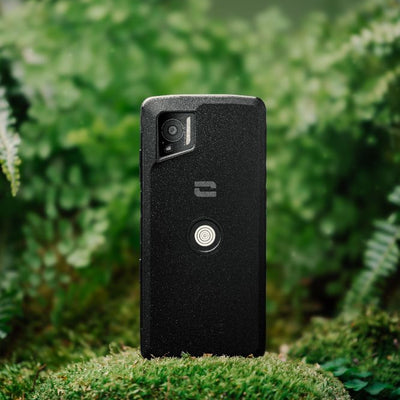
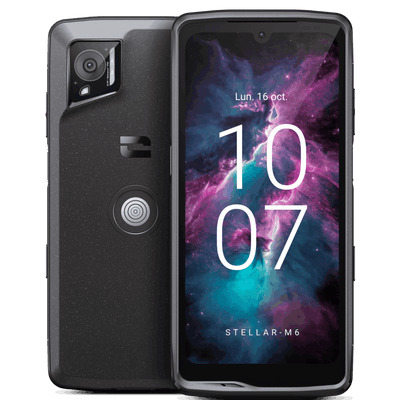
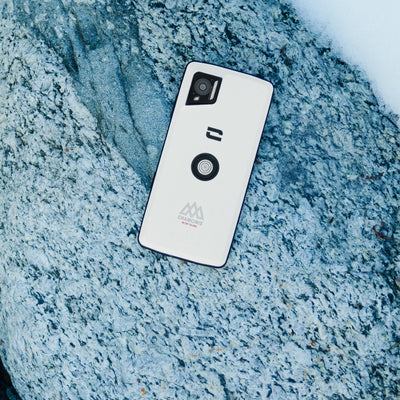
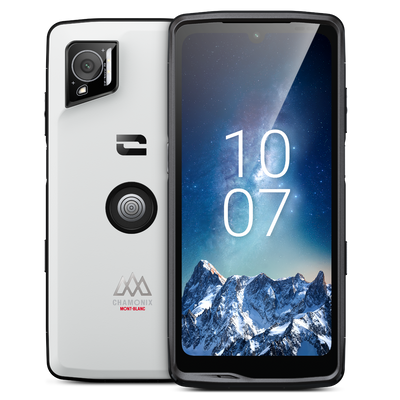
A device IP68 withstands rain, water splashes, and ambient humidity without flinching. No need to slip it into a pocket at the slightest shower or worry about a splash in the kitchen. This is the most common use and paradoxically the most often underestimated at the time of purchase. Models like the STELLAR-M6 or the STELLAR-M6 Chamonix-Mont-Blanc are designed to continue functioning effectively even in rain or humid environments.
Immersion
This is where IP68 really makes a difference. Thanks to its enhanced immersion resistance, it allows underwater uses that lower ratings do not guarantee, such as underwater video recording or sea navigation.
At Crosscall, our IP68 smartphones are tested at 2 meters depth for at least 30 minutes, in various types of liquids, including saltwater and chlorinated water. This certification offers extra peace of mind for users who regularly operate in wet or marine environments.
Some of our models go even further with dual IP68 and IP69K certification, combining resistance to prolonged immersion and protection against high-pressure water jets.
This robustness is particularly useful in marine or nautical environments, for example during use at sea, on a boat, or while sailing, where devices are exposed to sea spray, saltwater, and repeated splashes. It is also valuable in industrial or technical environments requiring intensive cleaning, with high-pressure washing or strict disinfection protocols.
Protection designed for the most extreme field uses.
What the IP68 standard does NOT guarantee
IP68 is a serious certification, but it has its limits. It is important to know them to avoid unpleasant surprises and not to confuse certified waterproofing with absolute resistance.
Against high-pressure jet cleaning : IP68 does not cover high-pressure or high-temperature water jets. For that, a device certified IP69K is required. The "9" covers longer immersion in water, and the "K" guarantees resistance to high-pressure cleaning, typically used onr lthe construction or industrial sectors.
Against prolonged immersion in deep water : IP68 sets specific conditions for depth and duration. A dive at 10 meters far exceeds the scope of the standard. For freediving or scuba diving, dedicated equipment remains essential.
Against aggressive liquids : Solvents, acids, industrial cutting oils, chemicals: IP68 is calibrated for water and common liquids.
Against a damaged phone : a cracked case or damaged device can compromise waterproofing. Internal seals and membranes can no longer perform their function once the device's physical integrity is compromised. This is one of the most common causes of water infiltration in devices that are otherwise certified.
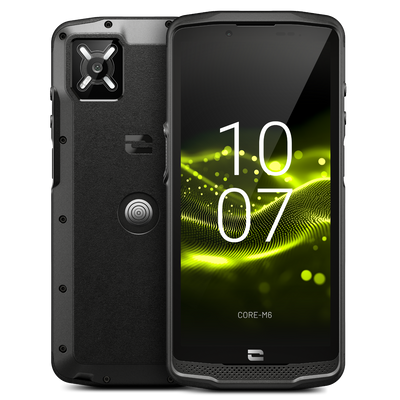
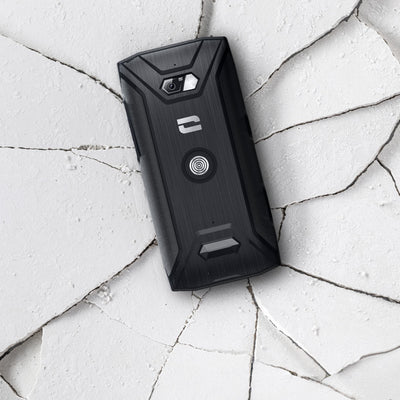
Conversely, a reinforced design with a screwed case, like on the CORE-M6, maintains a high level of waterproofing even after repeated drops or shocks in real conditions.
At the X-LAB, our R&D laboratory based in Aix-en-Provence, we conduct thorough tests to prepare each device for any eventuality, far beyond the standard conditions defined by the norm. Every real field scenario is simulated to ensure long-lasting protection.
Why do professionals seek IP68?
The IP68 certification is not just for outdoor sports enthusiasts. It meets very concrete needs in many professional sectors where service interruption is not an option.
- Construction and public works
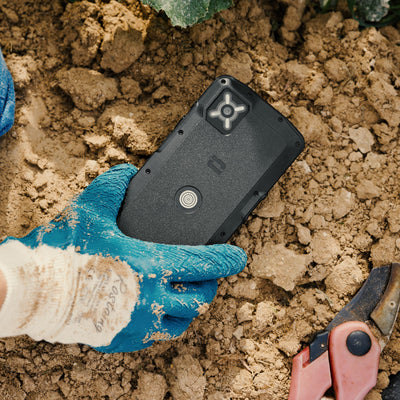
On a construction site, weather conditions can quickly become challenging, especially in rain or humid environments. A standard professional phone can quickly show its limits, whereas a professional phone certified IP68 and IP69K allows work to continue without interruption.
Designed to withstand bad weather, it ensures reliable use even in rainy conditions and allows business to continue regardless of the weather.
Smartphones like the CORE-M6, thanks to their rugged design and IP68 and IP69K certifications, are especially suited to these demanding environments.
- Industry and logistics
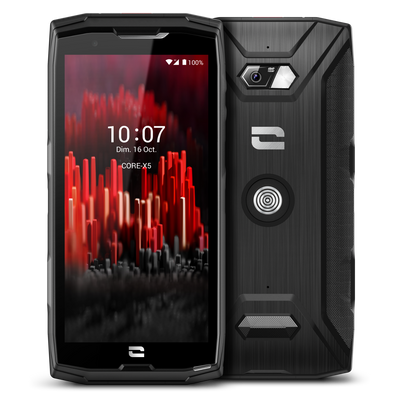
In warehouses, factories, or during delivery rounds: devices endure shocks, dust, temperature variations, and sometimes extreme humidity in cold rooms or production areas. IP68 ensures continuous use that standard devices cannot offer over time and prevents premature replacement costs, often underestimated in field equipment profitability calculations., the TCO (Total cost of ownership). The STELLAR-X5 meets the needs of professionals working in demanding environments exposed to moisture or dust.
- Outdoor athletes and professionals
On a hike, cycling, skiing, or mountain biking outing: bad weather doesn't warn you. A fall into a stream, a sudden shower at high altitude, melting snow seeping into a pocket; these are all everyday outdoor situations where a rugged smartphone IP68 really makes the difference. For high mountain guides, ski patrollers, or field agents, equipment reliability is not just a matter of comfort: it is also a matter of safety, for them and those they supervise. The STELLAR-X5s Chamonix-Mont-Blanc and STELLAR-M6 Chamonix-Mont-Blanc are also designed to support intensive outdoor use and activities.
Is IP68 the only robustness standard?
No. The durability the durability of a smartphone is measured on several levels, and IP68 covers only one: waterproofing. Other certifications complete the picture for truly comprehensive protection.
MIL-STD-810H
The American military standard MIL-STD qualifies the resistance and robustness of electronic equipment against extreme environmental conditions: repeated drops on various surfaces, prolonged mechanical vibrations, extreme thermal cycles (-20°C to +60°C), altitude, salt fog, dust, intense solar radiation. It is particularly useful for rugged smartphones intended for law enforcement, military, rescue services, or heavy industries, all environments where equipment failure can have direct consequences in the field.
Our devices are validated across all protocols of the MIL-STD-810H standard, combined on a single terminal at the X-LAB, as real field use would require. This point is important: some manufacturers test each protocol on a new device. At Crosscall, it is the same device that undergoes all the tests, which is much more representative of daily usage conditions.
ATEX
The ATEX certification concerns devices used in potentially explosive environments: oil fields, chemical plants, mines, gas depots, or industries with flammability risks. It guarantees that the device cannot be a source of spark or ignition. It is a critical operational safety standard, complementary to IP and MIL-STD, allowing professionals in these sectors to have essential communication capabilities while ensuring safety in the field.
How to preserve the waterproofing of an IP68 smartphone?
Thewater resistance is not a fixed feature; it can degrade over time and with bad habits. Elastomer seals age, caps wear out, and repeated exposure to extreme conditions can gradually weaken the protection. Good news: a few simple precautions are enough to keep your device performing as expected over time. Here is the checklist of best practices.
Respect the standard limits Do not exceed the depth and immersion duration indicated by the manufacturer (usually 2-3 m / 30 min). Beyond that, water pressure increases and can force the seals even if they are in good condition.
Avoid repeated intensive contact with water and dust : seals wear out over time; occasional immersion is not a problem, but prolonged daily immersion is.
Do not expose to high-pressure jets : even an IP68 device is not designed to withstand direct jet cleaning. The pressure of a jet, even at close range, can exceed the seals’ resistance limits — this is the domain of IP69K.
Rinse with fresh water after exposure to salt or chlorinated water : even if your device is tested for these liquids, a quick rinse after swimming limits mineral deposits on seals and prevents long-term corrosion of components.
Avoid impacts on the screen and on the case : a crack, even a fine one not visible to the naked eye, can create an entry point for moisture and invalidate the device’s overall waterproofing.
What to do if an IP68 phone gets wet?
Even with the best certification, unexpected immersion can happen. Here are the right steps to take and, above all, mistakes to avoid.
- Step 1: Turn off the phone immediately. Do not try to use or charge it: water and electricity don’t mix well, even in an IP68-certified device.
- Step 2: Remove the SIM card. The SIM tray can trap moisture, so it’s best to remove it and let it dry separately.
- Step 3: Rinse with fresh water if the immersion was in seawater or chlorinated water. This prevents salt or chlorine deposits that can corrode internal components over time.
- Step 4: Wipe with a clean cloth and let air dry for at least 24 hours. Avoid using a hairdryer or any direct heat source, as heat can damage components and melt seals.
If the phone still doesn’t work after completely drying, contact Crosscall customer service.
With our 5-year manufacturer’s warranty (battery included), your device is covered in case of malfunction due to a hardware defect, under the conditions defined by the warranty. However, some situations are not covered, especially damage resulting from improper use or exposure beyond the limits set by the certifications.
To know the exact terms of coverage, you can refer to the warranty table Crosscall or contact our customer service that will guide you based on your situation.
Key points
Are you looking for a waterproof phone reliable one for demanding use? Here’s what you need to know before buying.
Buy a smartphone certified IP68or IP69K for maximum protection against liquids and dust.
Check the IP ratingIP rating of your next phone based on the real needs of your profession or activities: tested depth, duration, nature of covered liquids.
A rugged smartphone certified IP68 can be used for professional as well as personal use
The IP68 standardis not an all-risk guarantee: high-pressure jets, cracked screens, or aggressive liquids remain outside the scope (MIL-STD and ATEX certifications complement the IP).

Our selection of IP-certified phones:
FAQ: frequently asked questions about IP68
Can I swim in the sea with an IP68 phone?
Yes, provided your device is tested for saltwater, which is not systematic among all manufacturers. Some certify IP68 only in fresh water, under controlled laboratory conditions. At Crosscall, our smartphones are validated for saltwater, chlorinated water, and other common liquids. Still, remember to rinse withfresh water after swimming to prevent salt deposits on the seals, and avoid diving beyond the certification limits.
Does a cracked screen remain IP68?
No. A crack on the screen or casing directly compromises the integrity of the internal seals and membranes. Thewater resistance is no longer guaranteed once the device is physically damaged, even if the crack seems superficial. In case of a screen impact, avoid any immersion until the device’s condition has been evaluated.
Can you wash your IP68 phone?
By hand, withfresh water and a soft cloth, yes, it is even recommended to remove dust or mud deposits. But not with a high-pressure jet or in a machine. For intensive cleaning or environments exposed to high-pressure sprays, a device certified IP69K is required.
What is the difference between IP67 and IP68?
IP67 covers immersion up to 1 meter for a maximum of 30 minutes. TheIP68 goes further in depth and duration, according to conditions defined by the manufacturer; at Crosscall, it is 2 meters for 30 minutes. Protection against dust is identical for both (level 6: total protection). For daily use without water exposure, both are equivalent. For outdoor or professional use, IP68 is clearly preferable.
Is IP68 waterproof?
The term "waterproof" has no official technical definition; it is often used purely for marketing purposes, without standardized framework or precise testing conditions. TheIP68 is the most reliable certification to qualify thewater resistance of a smartphone: it sets clear, verifiable, and comparable conditions from one manufacturer to another. Always prefer a device with an IP certification displayed rather than a simple unstandardized "waterproof" claim on the product sheet.