319,90€
Your basket is empty
Search on Crosscall
Search suggestion
Recommended for you
See all

10,000 M of Elevation Gain: Join the Summer Challenge with Running Heroes!
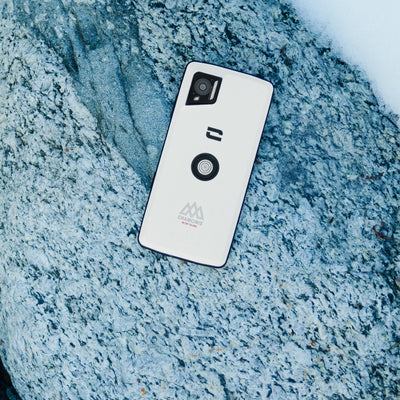
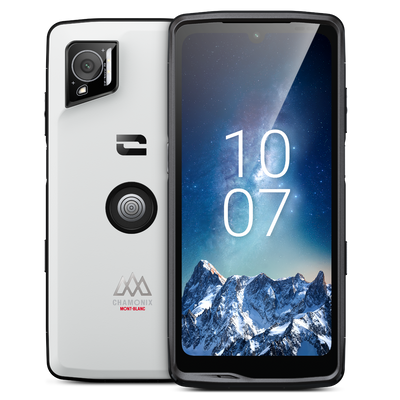
Whether on trail paths, bike passes, or hiking trails, summer is the best season to challenge yourself and go higher! To celebrate our favorite season, Crosscall partners with the Running Heroes and its community to launch the most ambitious Outdoor challenge of the year: inviting all Outdoor enthusiasts to accumulate together 10,000,000 m elevation gain. What is Running Heroes? Running Heroes is a community app designed for Outdoor enthusiasts. Its principle: turn every outing into rewards. Kilometers covered, elevation gained, effort made, everything is tracked and converted into discounts, products, and exclusive experiences. The app syncs with major sports platforms: Strava, Garmin, Polar, and many more. You move, you enjoy, Running Heroes takes care of the rest. The "10,000,000 m elevation gain" Challenge From July 15 to 31, the challenge’s goal is simple: accumulate as much positive elevation gain as possible on your outdoor outings. Trail running, hiking, cycling, everything counts as long as it goes uphill. An ambitious goal? Yes. But not impossible if the whole community rallies around this challenge. And the multi-platform format is designed to be accessible at all levels: everyone progresses at their own pace, accumulates meters outing after outing, and climbs the ranking day by day. Prizes to win: - 2x weekends in Chamonix-Mont-Blanc Among the male and female participants of the challenge who have accumulated more than 2,000 m of elevation gain, a draw will be held to win a weekend each in Chamonix-Mont-Blanc with an outdoor activity planned, and the possibility to invite a person of their choice. - 2x STELLAR-X5s Chamonix-Mont-Blanc Edition Among all participants, a draw will allow one man and one woman to win our STELLAR-X5s Chamonix-Mont-Blanc Edition. With its unbeatable durability and exclusive Outdoor mode, it will be the perfect new companion to enhance every outing for the lucky winners. Thousands of promo codes! Even better: no matter where you stand in the challenge ranking, each milestone reached is rewarded with a promo code valid on crosscall.com, for the entire STELLAR Chamonix-Mont-Blanc range. + 500 m elevation gain → €30 discount 1,000 m elevation gain → €50 discount 2,000 m elevation gain → €70 discount How to participate? For the Running Heroes challenge: Download the app Running Heroes on the App Store or Google Play Create your account or log in Join the event "10,000,000 m of elevation gain" This summer, the peaks won’t wait. We invite you find on the trails. 👉 Join the challenge

IP68: What Is It and What Does This Standard Really Guarantee?
IP68: understanding what your smartphone’s waterproofing guarantees IP68 has become a key selling point in the smartphone market. Manufacturers don’t hesitate to showcase their devices in the rain, splashed, or briefly submerged in water to demonstrate their durability. But what happens when a phone falls into the sea, stays underwater for a long time, or is exposed to large amounts of dust? The reality is often more nuanced than marketing demonstrations. The IP68 rating is a certification that measures a device’s level of protection against dust and water. More precisely, it indicates that a smartphone is fully protected against dust ingress and can withstand prolonged immersion. But what does this standard really guarantee? What are its limits in everyday situations? And how does it differ from other certifications like IP67 or IP69? Here’s everything you need to know before choosing an IP68-certified smartphone. Table of contents IP68: understanding what your smartphone’s waterproofing guarantees What does the IP68 standard mean? Decoding the symbol: IP, 6 and 8 IP68 vs IP67: what is the difference? IP68 vs IP69K: what is the difference? Specifically, what can an IP68 device withstand? What the IP68 standard does NOT guarantee Why do professionals seek IP68? Is IP68 the only robustness standard? How to preserve the waterproofing of an IP68 smartphone? What to do if an IP68 phone gets wet? Key points Our selection of IP-certified phones: product grid FAQ: frequently asked questions about IP68 What does the IP68 standard mean? The IP68 standard certifies that a device is completely protected against dust and can withstand prolonged immersion in water, under conditions defined by the manufacturer, according to the IEC 60529 standard of the International Electrotechnical Commission. It is now the reference standard for waterproof smartphones intended for demanding use. Specifically, theIP rating breaks down as follows: IP67 : completely dust-tight, resistant to immersion up to 1 m for 30 min. IP68 : completely dust-tight, resistant to prolonged immersion beyond 1 m, duration and depth defined by the manufacturer. IP69K : highest rating on the international scale, protection against high-pressure and high-temperature water jets, in addition to dust. Decoding the symbol: IP, 6 and 8 IP, The Protection Rating is created by the International Electrotechnical Commission. It is universal: whether you buy your device in France or abroad, regardless of its brand, you get the same level of information. Two digits accompany this symbol. The first indicates resistance to dust, the second resistance to liquids, from simple splashes to full and prolonged immersion. The higher these numbers, the greater the protection. 6 : Maximum level of dust tightness. The device is fully protected against solid particles, including the finest. 8 : Material submersible under conditions specified by the manufacturer, generally between 1 and 3 m deep, for more than 30 minutes. Rating Protection against dust Protection against water 0 No protection No protection 1 Protected against solid objects larger than 50mm Protected against vertical drops of water droplets 2 Protected against solid objects larger than 12.5mm Protected against falling water drops up to 15° from vertical 3 Protected against solid objects larger than 2.5mm Protected against rainwater up to 60° from vertical 4 Protected against solid objects larger than 1mm Protected against water splashes from all directions 5 Protected against dust and other microscopic residues Protected against water jets from all directions with a lance 6 Fully protected against dust Protected against water jets from all directions with a lance 7 Protected against temporary immersion effects up to 1m for 30 minutes 8 Protected against immersion effects prolonged beyond 1m 9 Protection against high-pressure, high-temperature cleaning from multiple directions IP68 vs IP67: what is the difference? The difference lies only in water resistance; dust protection is identical for both ratings. The IP67 covers immersion less than one meter for 30 minutes, only in non-corrosive liquids such as fresh or salt water. This is sufficient for domestic use but not for demanding environments. The IP68 goes further in terms of depth and duration: up to 2 meters for 30 minutes in various types of liquids (chlorinated water, saltwater, oils, etc.) for a Crosscall. For professional or intensive outdoor use, IP68 is the minimum recommended. IP68 vs IP69K: what is the difference? Both offer the same maximum dust protection (class 6). The difference lies in how water resistance is tested: IP68 covers prolonged immersion under manufacturer conditions, while IP69K covers high-pressure, high-temperature water jets typical of industrial environments with intensive cleaning. Note: IP69K does not automatically mean the product is suitable for long-term immersion. The testing methods differ, but our IP69K products still meet the waterproofing standards of IP68. Standard Waterproofing dust Water protection Immersion IP67 Fully protected against dust Yes 1m / 30min max IP68 Fully protected against dust Yes Beyond 1m IP69K Fully protected against dust Yes + high-pressure jets and temperature Not guaranteed Specifically, what can an IP68 device withstand? A waterproof smartphone IP68 certified is designed to withstand everyday incidents in marine or nautical environments. Here’s what it can actually handle and what it does not guarantee. Dust, sand, and microscopic residues The number 6 represents the highest level of protection against solids. Specifically: no particles can enter the device, whether fine dust, sand, construction debris, or microscopic residues. The device can operate in particle-laden environments without risk of port blockage or circuit infiltration. Rain and splashes A device IP68 withstands rain, water splashes, and ambient humidity without flinching. No need to slip it into a pocket at the slightest shower or worry about a splash in the kitchen. This is the most common use and paradoxically the most often underestimated at the time of purchase. Models like the STELLAR-M6 or the STELLAR-M6 Chamonix-Mont-Blanc are designed to continue functioning effectively even in rain or humid environments. Immersion This is where IP68 really makes a difference. Thanks to its enhanced immersion resistance, it allows underwater uses that lower ratings do not guarantee, such as underwater video recording or sea navigation. At Crosscall, our IP68 smartphones are tested at 2 meters depth for at least 30 minutes, in various types of liquids, including saltwater and chlorinated water. This certification offers extra peace of mind for users who regularly operate in wet or marine environments. Some of our models go even further with dual IP68 and IP69K certification, combining resistance to prolonged immersion and protection against high-pressure water jets. This robustness is particularly useful in marine or nautical environments, for example during use at sea, on a boat, or while sailing, where devices are exposed to sea spray, saltwater, and repeated splashes. It is also valuable in industrial or technical environments requiring intensive cleaning, with high-pressure washing or strict disinfection protocols. Protection designed for the most extreme field uses. What the IP68 standard does NOT guarantee IP68 is a serious certification, but it has its limits. It is important to know them to avoid unpleasant surprises and not to confuse certified waterproofing with absolute resistance. Against high-pressure jet cleaning : IP68 does not cover high-pressure or high-temperature water jets. For that, a device certified IP69K is required. The "9" covers longer immersion in water, and the "K" guarantees resistance to high-pressure cleaning, typically used onr lthe construction or industrial sectors. Against prolonged immersion in deep water : IP68 sets specific conditions for depth and duration. A dive at 10 meters far exceeds the scope of the standard. For freediving or scuba diving, dedicated equipment remains essential. Against aggressive liquids : Solvents, acids, industrial cutting oils, chemicals: IP68 is calibrated for water and common liquids. Against a damaged phone : a cracked case or damaged device can compromise waterproofing. Internal seals and membranes can no longer perform their function once the device's physical integrity is compromised. This is one of the most common causes of water infiltration in devices that are otherwise certified. Conversely, a reinforced design with a screwed case, like on the CORE-M6, maintains a high level of waterproofing even after repeated drops or shocks in real conditions. At the X-LAB, our R&D laboratory based in Aix-en-Provence, we conduct thorough tests to prepare each device for any eventuality, far beyond the standard conditions defined by the norm. Every real field scenario is simulated to ensure long-lasting protection. Why do professionals seek IP68? The IP68 certification is not just for outdoor sports enthusiasts. It meets very concrete needs in many professional sectors where service interruption is not an option. - Construction and public works On a construction site, weather conditions can quickly become challenging, especially in rain or humid environments. A standard professional phone can quickly show its limits, whereas a professional phone certified IP68 and IP69K allows work to continue without interruption. Designed to withstand bad weather, it ensures reliable use even in rainy conditions and allows business to continue regardless of the weather. Smartphones like the CORE-M6, thanks to their rugged design and IP68 and IP69K certifications, are especially suited to these demanding environments. - Industry and logistics In warehouses, factories, or during delivery rounds: devices endure shocks, dust, temperature variations, and sometimes extreme humidity in cold rooms or production areas. IP68 ensures continuous use that standard devices cannot offer over time and prevents premature replacement costs, often underestimated in field equipment profitability calculations., the TCO (Total cost of ownership). The STELLAR-X5 meets the needs of professionals working in demanding environments exposed to moisture or dust. - Outdoor athletes and professionals On a hike, cycling, skiing, or mountain biking outing: bad weather doesn't warn you. A fall into a stream, a sudden shower at high altitude, melting snow seeping into a pocket; these are all everyday outdoor situations where a rugged smartphone IP68 really makes the difference. For high mountain guides, ski patrollers, or field agents, equipment reliability is not just a matter of comfort: it is also a matter of safety, for them and those they supervise. The STELLAR-X5s Chamonix-Mont-Blanc and STELLAR-M6 Chamonix-Mont-Blanc are also designed to support intensive outdoor use and activities. Is IP68 the only robustness standard? No. The durability the durability of a smartphone is measured on several levels, and IP68 covers only one: waterproofing. Other certifications complete the picture for truly comprehensive protection. MIL-STD-810H The American military standard MIL-STD qualifies the resistance and robustness of electronic equipment against extreme environmental conditions: repeated drops on various surfaces, prolonged mechanical vibrations, extreme thermal cycles (-20°C to +60°C), altitude, salt fog, dust, intense solar radiation. It is particularly useful for rugged smartphones intended for law enforcement, military, rescue services, or heavy industries, all environments where equipment failure can have direct consequences in the field. Our devices are validated across all protocols of the MIL-STD-810H standard, combined on a single terminal at the X-LAB, as real field use would require. This point is important: some manufacturers test each protocol on a new device. At Crosscall, it is the same device that undergoes all the tests, which is much more representative of daily usage conditions. ATEX The ATEX certification concerns devices used in potentially explosive environments: oil fields, chemical plants, mines, gas depots, or industries with flammability risks. It guarantees that the device cannot be a source of spark or ignition. It is a critical operational safety standard, complementary to IP and MIL-STD, allowing professionals in these sectors to have essential communication capabilities while ensuring safety in the field. How to preserve the waterproofing of an IP68 smartphone? Thewater resistance is not a fixed feature; it can degrade over time and with bad habits. Elastomer seals age, caps wear out, and repeated exposure to extreme conditions can gradually weaken the protection. Good news: a few simple precautions are enough to keep your device performing as expected over time. Here is the checklist of best practices. Respect the standard limits Do not exceed the depth and immersion duration indicated by the manufacturer (usually 2-3 m / 30 min). Beyond that, water pressure increases and can force the seals even if they are in good condition. Avoid repeated intensive contact with water and dust : seals wear out over time; occasional immersion is not a problem, but prolonged daily immersion is. Do not expose to high-pressure jets : even an IP68 device is not designed to withstand direct jet cleaning. The pressure of a jet, even at close range, can exceed the seals’ resistance limits — this is the domain of IP69K. Rinse with fresh water after exposure to salt or chlorinated water : even if your device is tested for these liquids, a quick rinse after swimming limits mineral deposits on seals and prevents long-term corrosion of components. Avoid impacts on the screen and on the case : a crack, even a fine one not visible to the naked eye, can create an entry point for moisture and invalidate the device’s overall waterproofing. What to do if an IP68 phone gets wet? Even with the best certification, unexpected immersion can happen. Here are the right steps to take and, above all, mistakes to avoid. - Step 1: Turn off the phone immediately. Do not try to use or charge it: water and electricity don’t mix well, even in an IP68-certified device. - Step 2: Remove the SIM card. The SIM tray can trap moisture, so it’s best to remove it and let it dry separately. - Step 3: Rinse with fresh water if the immersion was in seawater or chlorinated water. This prevents salt or chlorine deposits that can corrode internal components over time. - Step 4: Wipe with a clean cloth and let air dry for at least 24 hours. Avoid using a hairdryer or any direct heat source, as heat can damage components and melt seals. If the phone still doesn’t work after completely drying, contact Crosscall customer service. With our 5-year manufacturer’s warranty (battery included), your device is covered in case of malfunction due to a hardware defect, under the conditions defined by the warranty. However, some situations are not covered, especially damage resulting from improper use or exposure beyond the limits set by the certifications. To know the exact terms of coverage, you can refer to the warranty table Crosscall or contact our customer service that will guide you based on your situation. Key points Are you looking for a waterproof phone reliable one for demanding use? Here’s what you need to know before buying. Buy a smartphone certified IP68or IP69K for maximum protection against liquids and dust. Check the IP ratingIP rating of your next phone based on the real needs of your profession or activities: tested depth, duration, nature of covered liquids. A rugged smartphone certified IP68 can be used for professional as well as personal use The IP68 standardis not an all-risk guarantee: high-pressure jets, cracked screens, or aggressive liquids remain outside the scope (MIL-STD and ATEX certifications complement the IP). Our selection of IP-certified phones: Discover here Discover here Discover here Discover here Discover here FAQ: frequently asked questions about IP68 Can I swim in the sea with an IP68 phone? Yes, provided your device is tested for saltwater, which is not systematic among all manufacturers. Some certify IP68 only in fresh water, under controlled laboratory conditions. At Crosscall, our smartphones are validated for saltwater, chlorinated water, and other common liquids. Still, remember to rinse withfresh water after swimming to prevent salt deposits on the seals, and avoid diving beyond the certification limits. Does a cracked screen remain IP68? No. A crack on the screen or casing directly compromises the integrity of the internal seals and membranes. Thewater resistance is no longer guaranteed once the device is physically damaged, even if the crack seems superficial. In case of a screen impact, avoid any immersion until the device’s condition has been evaluated. Can you wash your IP68 phone? By hand, withfresh water and a soft cloth, yes, it is even recommended to remove dust or mud deposits. But not with a high-pressure jet or in a machine. For intensive cleaning or environments exposed to high-pressure sprays, a device certified IP69K is required. What is the difference between IP67 and IP68? IP67 covers immersion up to 1 meter for a maximum of 30 minutes. TheIP68 goes further in depth and duration, according to conditions defined by the manufacturer; at Crosscall, it is 2 meters for 30 minutes. Protection against dust is identical for both (level 6: total protection). For daily use without water exposure, both are equivalent. For outdoor or professional use, IP68 is clearly preferable. Is IP68 waterproof? The term "waterproof" has no official technical definition; it is often used purely for marketing purposes, without standardized framework or precise testing conditions. TheIP68 is the most reliable certification to qualify thewater resistance of a smartphone: it sets clear, verifiable, and comparable conditions from one manufacturer to another. Always prefer a device with an IP certification displayed rather than a simple unstandardized "waterproof" claim on the product sheet.

Outdoor smartphone: the 3 mistakes to avoid to make the right choice
For an outdoor enthusiast, equipment is not a matter of comfort, it's a matter of trust. Knowing that your gear will hold up in all conditions, in all weather and on all terrains, is what allows you to set off with peace of mind and push your limits safely. Many end up making the same observation: their regular smartphone can't keep up. Screen that stops responding in the rain, battery that fails in the cold, chassis that doesn't survive a fall on granite... The leap to a outdoor smartphone designed for these conditions then becomes obvious. But choosing the right device is not so simple. Technical sheets are full of acronyms and certifications (IP68, MIL-STD-810, IK05) whose definitions vary from one manufacturer to another, and whose displayed performances are not always tested under the same conditions. It's hard to navigate and identify the outdoor smartphone truly suited to its uses. To help you see clearly, here are the 3 most common mistakes before buying, and how to avoid them. Mistake #1: Misinterpreting resistance and waterproofing standards (IP, IK, MIL-STD...) Certifications IP, MIL-STD or IK are standardized global references: they provide reliable indications of a device's resistance level and allow products to be compared on a common basis. But these standards also allow some flexibility in testing protocols (number of tests, execution conditions, thresholds used). Result: two smartphones with the same certification can hide very different real-world performances. Understanding what these standards really mean, and under what conditions they were obtained, is the first step to making an informed choice. IP67, IP68, IP69K: what do they really mean? The IP certification (Ingress Protection) indicates the level of protection a device has against external infiltration. It consists of two digits: the first indicates protection against solids, with 6 being the maximum level, corresponding to total dust tightness; the second indicates protection against liquids, with a maximum rating of 9, corresponding to high-pressure and high-temperature water jets. IP66 and below : protection against dust and water splashes, but no resistance to full immersion. In particularly wet outdoor conditions (a storm, crossing a river...), this level of protection remains insufficient. IP67 : resistance to immersion up to 1 meter for a maximum of 30 minutes. This level is suitable for daily or domestic use but remains insufficient for intensive outdoor use where you sometimes need to rely on your smartphone even during prolonged immersion. IP68 : resistance to immersion beyond 1 meter for an extended duration. But at Crosscall, beyond depth, it is the nature of the liquid that makes the difference. Saltwater, chlorinated water, or oils present specific infiltration and residue deposit issues that can damage internal components. Our IP68-certified smartphones are tested to withstand all these liquids. IP69 : resistance to high-pressure and high-temperature sprays. It is the most demanding standard, essential in environments exposed to intensive cleaning or violent sprays. Our most durable smartphone, the CORE-M6, also meets this standard. For demanding outdoor use, the certification IP68 is the minimum recommended. It guarantees resistance to deep immersion in all types of liquids and covers the vast majority of situations encountered in the field. The MIL-STD-810 military standard: the true mark of durability The MIL-STD-810 standard is an international reference for the durability of electronic equipment, originally introduced by the US military and now used worldwide, both for military gear and consumer devices. It subjects devices to a series of demanding environmental tests: repeated drops, vibrations, thermal cycles from -20°C to +60°C, humidity, altitude, salt fog, dust… It is a guarantee of overall robustness, whereas IP certifications only cover a specific aspect. The standard does not have an official certification body, and test protocols can sometimes vary from one manufacturer to another. This is not a reason to distrust it; it is a serious and recognized reference, but it is a point to keep in mind to properly interpret the displayed performance. At Crosscall, all tests MIL-STD-810H are carried out in our own R&D laboratory, X-LAB, according to rigorous protocols that go beyond the standards set by the norm. Above all, we subject the same device to the entire series of tests (repeated drops, thermal cycles, immersion, vibrations...) ensuring that resistance and waterproofing levels are maintained throughout the protocol. A higher-than-average level of requirement that guarantees unbeatable reliability in the field. The IK standard: impact resistance, often bypassed The IK standard measures the resistance of equipment to mechanical shocks. It is expressed in levels from IK01 to IK10, each level corresponding to a specific impact energy expressed in joules. Our screens meet the IK05 standard, which guarantees impact resistance during falls on hard and uneven surfaces (rocks, gravel...). It is concrete protection for field use where accidental falls on steep surfaces are a reality. It is important to distinguish this impact resistance from tests sometimes seen online, where a smartphone is crushed by a shoe or a car tire. In these situations, the weight is distributed over the entire screen surface, which requires a completely different resistance force, and is not comparable to resistance to a localized shock. The standard IK05 is precisely designed to simulate direct impacts and concentrated on a small area, as would be a fall on a rock edge. Mistake #2: Underestimating the importance of ergonomics in the field A smartphone may seem indestructible on paper and totally unsuitable for real use. Thefield ergonomics is a criterion often overlooked when buying, yet crucial daily, especially for those who have made nature their workplace. Glove Touch & Wet Touch technology: immediate availability, whatever the conditions In the mountains, you shouldn’t have to take off your gloves to answer a call or check a map. A standard touchscreen then becomes unusable. Our smartphones integrate the Glove Touch / Wet Touch, which allows fully responsive use with thick gloves and wet hands. No need to "undress" to access its content: the outdoor smartphone responds immediately, whether you are in snow or rain. Programmable buttons: responsiveness and ergonomics designed for action When you are in the middle of action (technical descent, emergency intervention, group guidance...) navigating menus is a waste of time and a risk. Our programmable buttons allowing you to assign a direct action to one or more presses: emergency call and SOS, Push-to-Talk, camera, flashlight... But their usefulness is not limited to programming. These buttons are specifically designed to be ergonomic : large contact area, well-thought placement for real comfort of use. The Push-to-Talk button, for example, mimics the natural gesture of a walkie-talkie. The SOS button, located on the top edge of the STELLAR-M6, can be triggered even from your pocket in an emergency. Outdoor Mode: an optimized experience for challenging outings Our STELLAR range Chamonix-Mont-Blanc Edition includes a Outdoor mode that lets you fully enjoy your outdoor experiences. From this mode, you can filter notifications to keep only essential alerts and reduce distractions, set your energy profile to gain up to +25% battery life, and activate the automatic location sharing to your emergency contact. Going on a hike knowing a loved one can regularly track your location brings peace of mind that changes how you approach challenging outings. The X-Blocker / X-Link combo: mobility without compromise On a bike or motorcycle handlebar, on the dashboard of a patrol vehicle or off-road machine, being able to securely mount your phone and remove it in a second radically changes the experience. The system X-BLOCKER is the attachment mechanism compatible with the entire Crosscall accessory ecosystem. Designed for rough environments, it withstands a pull force of 20 kg — enough to stay firmly in place on the roughest terrain. The X-Link, on the other hand, is Crosscall’s proprietary magnetic connector. It allows you to charging and transferring data quickly and efficiently. The combination of both, robust mechanical mounting and efficient magnetic connection, offers uses of complete mobility, over long distances, without compromising on durability. Mistake #3: Neglecting the accessory ecosystem Too many buyers focus only on the device itself, without anticipating the surrounding needs: how to secure your phone while moving? How to charge it in the field? How to stay reachable in a noisy environment without cutting off your surrounding sounds? Accessories that really make a difference Outdoor smartphone accessories are not just add-ons. On an alpine trail or patrol, they determine whether your phone is truly usable — or if it stays at the bottom of your bag. Among Crosscall essentials, you will find: The mounts X-BLOCKER For bike handlebars, motorcycle, or vehicle mounts — secure, quick to install, designed to withstand vibrations and a pull force of 20kg. The external battery X-POWER to double battery life Reinforced protective glass : to preserve the integrity of your screen and maintain readability over time on screens subjected to repeated shocks. The X-VIBES headset bone conduction: our headset transmits sound through bone vibrations, leaving the ears completely free. The result: you stay fully alert to your environment (sounds of nature, calls from other group members, alert signals...) while having access to your music and communications. What sets Crosscall accessories apart is that they are not just compatible products. Each accessory features X-LINK connectivity, and all meet the same standards of durability and waterproofing as our smartphones. They are qualified for intensive outdoor use — not just designed to accompany it. Clearly define your needs to choose well Before comparing technical sheets, the real question is: what is my actual use? Here are three profiles to help you identify yourself. The outdoor enthusiast (hiking, mountaineering, mountain biking, ski touring...) Your priorities: extended battery life, shock and weather resistance, reliable geolocation, photo quality to capture your outings, and an Outdoor Mode to set off with confidence. For this profile, we recommend the STELLAR-X5s Chamonix Mont Blanc, a smartphone designed in collaboration with the Chamonix Mont-Blanc teams to meet the demands of mountain enthusiasts. Robust, waterproof, equipped with a high-performance camera sensor for difficult lighting conditions (backlight, snow, fog), and featuring Outdoor Mode to optimize battery life and share your location in real time. Find all our outdoor equipment to complete your setup. The field professional (high mountain guide, tracker, nature reserve ranger, field agent...) Your priorities: absolute reliability, ergonomics designed for intensive use on the move, resistance to the most extreme conditions, and performance that doesn’t falter after hours of use. For this profile, the versatile outdoor smartphone STELLAR-M6 is the most suitable choice. Slightly superior in durability, its ergonomics are specifically designed for users constantly on the move: advanced programmable buttons including the SOS button, Outdoor Mode, X-Link connectivity to stay connected and charged on the go. A device that doesn’t let you down, even at the end of a long day in the field. The user seeking durability (eco-responsibility...) Your priorities: a device that lasts, is repairable, and whose environmental impact is controlled throughout its lifespan. The entire Crosscall range meets this profile. All our smartphones are warranted for 5 years, battery included — with OS updates for 7 years and original manufacturer spare parts available for 10 years. We show some of the highest repairability scores on the market, and our devices benefit from a eco-label A. Less replacement means less production, and therefore a reduced environmental impact across the entire chain. Our high repairability index is the concrete translation. For those who want to go even further in this approach, we also offer models refurbished, to give a second life to devices already qualified for outdoor use. The ultimate checklist to make the right choice Before finalizing your purchase, review this list: Minimum IP68 certification — with immersion over 1m for 30 minutes, and resistance to all types of liquids (saltwater, chlorinated water, oils) IP68 for waterproofing against prolonged immersion at 2m Complete MIL-STD-810H tests, conducted in a dedicated laboratory under cumulative protocols IK05 standard for resistance to localized impacts Resistance to extreme temperatures (-20°C to +60°C) Real adapted battery life for your outings — not just the manufacturer's theoretical value Outdoor mode with energy profile, notification filtering, and emergency location sharing Glove Touch / Wet Touch technology for use with gloves or wet hands Ergonomic programmable buttons with accessible SOS button X-Blocker / X-Link combo system for secure mounting and magnetic charging on the go Robust and certified accessory ecosystem — mounts, bone conduction audio, batteries 5-year warranty including battery, spare parts available for 10 years, OS updates for 7 years High repairability index and eco-label A FAQ: frequently asked questions about outdoor smartphones What is the difference between IP67 and IP68 for outdoor use? IP67 covers short immersion up to 1 meter: this is sufficient for daily or home use, but not for regular outdoor use. IP68 at Crosscall means 30 minutes at 2 meters, with extended resistance to all types of liquids: saltwater, chlorinated water, oils. In the field, the difference is really noticeable. Can an outdoor smartphone really replace a hiking GPS? Yes, provided you choose a device with a high-performance GPS chip, offline navigation, and above all sufficient battery life. Crosscall’s Outdoor Mode manages energy smartly to last through long outings. On hikes, battery life remains the number one criterion — no matter how precise the GPS chip is, it’s useless if the phone dies halfway through the route. Is the MIL-STD-810 standard really reliable? It’s a serious indicator, provided you understand what’s behind it. The standard defines protocols, not an official label. Some manufacturers only perform partial tests on dedicated devices. At Crosscall, all MIL-STD-810H protocols are carried out at X-LAB, our R&D laboratory, with consecutive tests on the same device to simulate cumulative real-world conditions. This is a requirement far above the standard. What is the practical use of Outdoor Mode? It optimizes the smartphone for challenging outings: filtering non-essential notifications, configuring the power profile to gain up to +25% battery life, and automatically sharing your location with an emergency contact. This mode is designed to travel lighter in the lead, not just in terms of battery. How long does a Crosscall smartphone last? Our smartphones come with a 5-year warranty, including the battery. Original manufacturer spare parts are available for 10 years, and OS updates are provided for 7 years. Under intensive use conditions, this lifespan is well above the market average; a real advantage for those who want to reduce their environmental impact. What is bone conduction and why is it useful outdoors? Bone conduction transmits sound through vibrations via the skull bones, without blocking the ears. With the Crosscall X-VIBES headset, you can hear your communications while staying fully aware of your surroundings: the sounds of nature, calls from teammates, alert signals. In demanding outdoor conditions, it provides extra safety that traditional earphones cannot offer. Which Crosscall smartphone should you choose to start outdoor activities? For a versatile first approach, the STELLAR-M6 is an excellent base: robust, ergonomic, equipped with Outdoor Mode and X-LINK connectivity. For enthusiasts who want more performance, the STELLAR-X5s Chamonix-Mont-Blanc is designed for challenging outings. Find all our outdoor equipment to build your complete setup.

Rugged smartphones: are they really less powerful?
A bulkier design, reinforced edges, an imposing size but also some prejudices. Rugged smartphones often carry an unfair reputation: that of being less "high-tech," less sophisticated, less powerful than consumer models. The aesthetic comparison with the latest ultra high-end models is not always favorable to rugged smartphones at first glance, although at Crosscall, we do pay particular attention to their aesthetics. What you see, however, does not say much about what happens under the hood. And even less about what happens after two, three, or five years of intensive use in the field. At Crosscall, we design smartphones that really last. And that perform in conditions where most consumer models give up. It's time to debunk some misconceptions. Rugged smartphones: are they really less powerful than classic models? The power gap between rugged smartphones and classic models has significantly narrowed in recent years. The real difference? A rugged smartphone is designed to maintain its performance over time and in extreme conditions : temperatures, shocks, humidity, where a consumer smartphone can fail at the first field tests. Raw power vs sustainable performance: what's the difference? There is a fundamentally different philosophy behind the design of a consumer smartphone and that of a rugged smartphone. Two visions, two promises. On the consumer smartphone side, the race for specs is constant. Every year, a new model with a faster chip, a brighter screen, a photo/video camera offering promises worthy of professional imaging. These devices are nevertheless designed to meet everyday uses: browsing social networks, streaming videos, managing calendars and emails. They are powerful, undeniably, but only for a short time, with a 2-year manufacturer warranty, and signs of weakness often appearing much earlier. Slowdowns, battery fatigue, aging components... the life cycle is short. We are therefore facing a real "Fast Tech" phenomenon: consumable, rreplaceable and not very compatible with a sustainability approach. On the rugged smartphone side, and more specifically Crosscall smartphones, the philosophy is radically different. The goal is not to be the most powerful at a given moment, but to stay performant over time, whatever the conditions. When designing a terminal with a 5-year warranty, battery included, and committing to provide OS updates for 7 years, you have to think differently. The smartphone must absorb future software evolutions, support increasingly advanced business applications, and continue to operate perfectly at -20°C as well as in the height of summer under the sun. This is what is called a terminal “future proof”. And because a rugged smartphone must last, it is also designed to be repairable: accessible, available, and replaceable components. Repairability is not just a CSR statement, it is a design imperative. The key components of a high-performance rugged smartphone Processor and RAM: for seamless smoothness The computing power of a smartphone is primarily measured by its processor and RAM. In this regard, rugged smartphones have caught up with and often exceeded expectations. The latest Crosscall models integrate Qualcomm chips 8-core chips specially selected for their application areas and efficiency: The CORE-M6 features the Qualcomm Dragonwing™ QCM4490, a chip designed for the most demanding industrial environments. The STELLAR-X5s is equipped with the Qualcomm QCM5430 FP2, offering optimized computing power for versatile and intensive uses. These processors are paired with up to 8 GB of RAM on the most powerful configurations. Why is it important? Because in the field, a professional does not use just one application at a time. They juggle between a navigation app, warehouse management software, a Push-to-Talk communication tool, and potentially a barcode scanner or a payment terminal connected via Bluetooth. These chips are also ready for AI uses in professional environments, image recognition, real-time data processing, automation of field tasks that require increasing computing power. A bug, a freeze, a slowdown at the wrong moment: in a warehouse or during an emergency intervention, that is not acceptable. Battery life: the performance that really lasts Rugged smartphones are also often the smartphones with the best battery life. And yet, it is also one of the most misunderstood points. The CORE-M6 features a battery of 4,950 mAh, giving it a actual autonomy of 80 hours. But the raw battery capacity is not the only indicator. What really matters is its resilience over time and in extreme conditions. Crosscall batteries are designed to operate from -20°C to +60°C, temperatures that make most consumer smartphones give up within minutes. Even more: Crosscall batteries are designed to maintaining 100% of their charging capacity for 1,000 cycles. That's two to three times more than the average consumer smartphone. And the icing on the cake: they are included in the 5-year warranty. No unpleasant surprises after 18 months. If you want to maximize your battery life, ofDiscover our 5 tips to preserve your battery. Photo and video quality: the field does not exclude precision Another misconception: the rugged smartphone would take poor quality photos. A thing of the past. The STELLAR-X5s and the STELLAR-X5s Chamonix-Mont-Blanc feature a 50 MP SONY main sensor as well as a 120° wide-angle sensor, with 4K video capture at 60 frames per second. But image quality is not limited to sensors. It also depends on the computing power available for real-time processing. The STELLAR-X5s and STELLAR-X5s Chamonix-Mont-Blanc offer: A hyper stabilizer for sharp videos, even in full action Slow Motion and Hyperlapse modes to capture your adventures from a cinematic angle Image processing power that rivals "consumer" models The STELLAR range from Crosscall proves that durability and image quality are not mutually exclusive. Quite the opposite. Why choose a rugged smartphone for your intensive uses? For professionals on the move In the sectors of logistics and transport, or even retail, the professional smartphone has become a central work tool. It runs complex business applications, manages real-time data flows, and must remain available from the start to the end of a workday, or even a night shift. The power of Qualcomm processors embedded in Crosscall devices guarantees smoothness without compromise for demanding multitasking. Compatibility with dedicated accessories: barcode scanner X-SCAN, remote microphone X-COMM, Bluetooth remote control X-COMMAND allows extending uses without complicating the toolchain. And preparation for professional AI uses ensures the device remains relevant as business software solutions evolve. For outdoor enthusiasts Ultra-precise and reliable GPS even in low coverage areas, extended battery life for multi-day outings, photo quality worthy of the name: Crosscall smartphones meet the demands of outdoor sports enthusiasts without sacrificing performance. Whether you are a hiker, mountaineer, cyclist, or water sports practitioner, your data, memories, and communications remain in good hands. For sustainable daily use This may be the most universal argument: a Crosscall smartphone does not slow down after two years. It does not need to be replaced due to a drained battery or a chip outdated by new applications. Designed to last thanks to its 5-year warranty, battery included, it represents a sensible investment for your budget and for the planet. Comparison: how does Crosscall combine durability and technology? Criterion Consumer smartphone Crosscall rugged smartphone Computing power High immediate power, optimized for consumer uses Resilient power, maintained over time and in extreme conditions Battery life 1 day of standard use Up to 80h of real autonomy, stable from -20° to +60°C Battery lifespan Visible degradation from 500 cycles 100% capacity maintained for 1,000 cycles, 5-year warranty Technology Fast tech: annual renewal ranges, 2-year warranty Future proof: 5-year warranty, battery included, OS updates for 7 years, manufacturer spare parts available for 10 years Usage conditions Indoor, controlled conditions, daily use Outdoor, extreme conditions, intensive and multi-professional uses Warranty 2 years manufacturer 5 years, battery included Repairability Limited, often components inaccessible Designed to be repaired, parts available and accessible Business applications Consumer use (social networks, streaming...) Professional multitasking, field AI, usage extensions (scanner, PTT...) Our selection of high-performance rugged smartphones Discover here Discover here Discover here FAQ: Everything you need to know about the power of rugged smartphones Is a rugged smartphone really as powerful as a regular smartphone? Yes. Modern rugged smartphones include 8-core processors and up to 8 GB of RAM, fully capable of running heavy business applications, intensive multitasking, and AI tools. The difference is no longer in raw power but in the resilience of that power over time and under tough conditions. Why is the battery life of a rugged smartphone superior? Rugged smartphones feature high-capacity batteries up to 4,950 mAh at Crosscall, specially designed to withstand extreme temperatures and maintain performance over 1,000 charge cycles. Result: up to 80 hours of real autonomy, with no compromise. Is the photo quality of rugged smartphones comparable to consumer models? On the Crosscall STELLAR range, yes. The STELLAR-X5s features a SONY 50 MP sensor, a 120° wide angle, 4K 60FPS video, and a hyper stabilizer. The onboard computing power allows high-quality real-time image processing, even in full action. What does it mean for a smartphone to be "future proof"? A future-proof smartphone is designed to remain relevant for several years: OS updates guaranteed for 7 years, a chip powerful enough to handle software evolutions, repairable and available components. At Crosscall, this translates into a 5-year warranty and a design that anticipates tomorrow’s uses. Can a rugged smartphone replace several professional tools? Absolutely. Crosscall smartphones can replace up to 5 devices in one: barcode scanner (X-SCAN), walkie-talkie (Push-to-Talk Button / X-COMM), desktop computer via docking station (X-SPACE), payment terminal, and of course a professional smartphone. This is a key argument to reduce equipment costs and simplify field usage.

24 Hours Immersed in the Mont Blanc Massif
Sleeping on the Géant glacier, facing the legendary peaks of the Mont Blanc massif, is an extraordinary experience. This is what awaits the two winners of our contest, accompanied for this Stellar Camp by a guide from the Chamonix Guide Company and Lucy Paltz, Crosscall ambassador. Here is their story. 8:00 a.m., in the center of Chamonix: It’s cool, the sun is shining, the conditions are ideal for two days in the high mountains! On the agenda: ski touring, but also bivouac on the Géant glacier, a unique experience for the two winners of our contest. The battery of our STELLAR-X5s Edition Chamonix Mont Blanc is fully charged, but we immediately activate Outdoor mode to minimize its use and thus increase its performance. Outdoor mode allows you to put non-essential apps to sleep to prevent them from running in the background and wasting battery. It’s a real advantage compared to airplane mode because you remain reachable by phone or SMS, and the available apps can be customized. 9:00 a.m., on the other side of the Mont Blanc tunnel: Our adventure begins in Italy, as we take the Skyway cable car to get as close as possible to the Géant glacier. Arriving on the terrace of the Torino refuge opens the doors to high mountain with Mont Blanc within reach. Wherever you look, the view is breathtaking. Our guide explains the different peaks revealed on the horizon and gives some tips for the upcoming hike. 10 a.m., skis on! We left our bivouac gear for the night in one of the refuge corridors to carry less weight for the ski touring day. We start our walk with a beautiful descent into the Vierge valley with a mandatory photo stop in front of the bluish seracs. Arriving at the bottom of the bowl, we put the skins on to ski back up to the Entrèves pass. I check the elevation gain on Iphigénie, the mapping app on my Stellar: 600m of ascent planned. An hour and a half later, we admire a breathtaking landscape of a myriad of peaks over 4000m, from the Barre des Écrins on one side to the Matterhorn on the other. After the picnic, we enjoy a descent on still fresh snow; the conditions are ideal for late April. Photo credits: Pierre Cosperec - Compagnie des Guides 3 PM, we put the skins back on! We have to go back to get our bivouac gear and repack the backpacks for the night. While the other climbers and visitors descend into the valley, we look for a flat enough spot to set up our camp. The guide explains how to check the spot to avoid pitching the tent on a crevasse, how to make a good platform for more comfort at night, and how to melt snow. We set up the tents facing the Dent du Géant! Photo credits: Pierre Cosperec - Compagnie des Guides 5 PM, alone in the world! Gradually, the temperature cools and the silence is only broken by the cries of choughs that come to visit us to pick up crumbs from the biscuits shared around the tea. The stoves are running at full power to rehydrate us. It’s an extraordinary feeling to be alone in the heart of the Mont Blanc massif while the sun warms the horizon. We explore the camp surroundings to add some souvenir photos to the gallery of our STELLAR-X5s! Photo credits: Pierre Cosperec - Compagnie des Guides 6:30 PM, dinner time. On the menu: freeze-dried meals! Chicken curry, beef stew, or pasta with fried onions, it’s very filling and tastier than it looks. The guide even planned desserts, and while it’s a bit strange to pour boiling water into a pouch to rehydrate chocolate mousse, it’s enjoyed facing the sunset over Mont Blanc. 8 PM, everyone warm! Once the sun is gone, the temperature drops suddenly. We each head to our tents to slip into the thick cozy sleeping bags lent by the Guide Company. Goal: pile at the bottom everything that fears cold and moisture. Ski boot slippers, overpants (we will sleep in first layer and fleece), and also the phone. Even though it has held up perfectly since this morning (still 63%) despite heavy photo/video and mapping use, it’s best to avoid polar night temperatures to optimize its battery. 6:50 AM, up! Upon waking, frost covers the tent and the sleeping bag, but it was so cozy that we were not cold. The altitude gave some members of the group a slight headache: acclimatization takes time, we must not forget that we are sleeping at 3500m! Around a tea, we share our feelings and especially fully enjoy the last moments alone in the world on the glacier. By the time we pack up the tents, store the equipment, and start the return path to the cabin, the first climbers are already arriving. 9:30 AM: the fog is getting thicker. What was just a mist at dawn becomes so intense that you can't see three meters ahead. Heading to the Skyway to descend into the valley and have a cappuccino in Italy before returning to Chamonix! The experience was incredible, a true immersion in the magical landscapes of the Mont Blanc massif. The STELLAR-X5s is the ideal tool for this kind of adventure since instead of carrying an external battery (which adds even more weight to an already heavy load), you fully benefit from its endurance. Not to mention that its waterproof and shock-resistant features allow it to handle all the challenges of high mountain evolution! Lucy Paltz "Journalist and athlete, I work on many video content creation and social media projects. I am also a Crosscall ambassador." Website - Instagram

PTI Phones: How to Choose a Reliable Model for the Safety of Lone Workers?
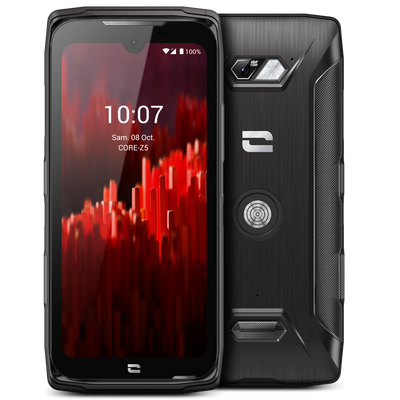
Which PTI phone to choose? Buying guide and comparison to equip lone workers According to the report from the Ministry of Labor, in 2024, 549,614 workplace accidents were recorded in France. Reducing this number is a key priority to ensure employee safety, preserve their health, but also guarantee the smooth operation of organizations and strengthen overall company performance. When your employees are increasingly mobile and present in the field, thePTI phone becomes an essential asset in risk prevention and emergency management. It complements safety plans, training, and protective equipment already implemented in companies. It is within this dynamic that the use of PTI smartphones : tools capable of detecting critical situations (fall, illness, assault) and quickly triggering an alert, enhancing the safety of lone workers while meeting employers' legal obligations. Because they often work alone in risky environments, lone workers must be able to rely on reliable equipment. The PTI phone meets this specific need: it combines the performance of a professional smartphone with advanced safety functions to alert immediately in case of danger. But how to choose the right model? Which features are truly essential? And which PTI smartphone best suits each use? Let's review to help you make the right choice for your organizations. What is a PTI phone? A PTI phone, or Lone Worker Protection device, is a mobile device designed to detect abnormal or dangerous situations when an employee is alone at their workplace. It relies on two types of triggers: a passive alert system (automatic detection of falls, immobility, loss of verticality) and an active trigger via an SOS button or manual alert. Crosscall does not directly provide PTI software solutions but designs rugged smartphones compatible with the main solutions on the market. Combined with high-speed networks, public or private, these devices allow the creation of efficient PTI systems, meeting the safety requirements of companies and communities. Beyond alerts, an effective PTI phone also relies on other essential assets: excellent connectivity, ergonomics adapted to field environments (even with gloves), one sufficient battery life to last a full workday, as well as proven resistance to shocks, dust, and water. These features make the PTI smartphone a true security tool at the service of companies. Use cases for PTI phones: PTI phones are used in many sectors, each exposing workers to different risks depending on their environment: In the construction and building sector, workers operate on large sites, at heights or underground. Falls, mechanical accidents, or isolation on site make the use of a PTI phone essential to quickly alert emergency services. In the iIndustry,Technicians or maintenance operators may have to work alone in risk areas: factories, power plants, technical premises. They are exposed to electrical, chemical, or heavy machinery hazards. A PTI device ensures their continuous protection. In Logistics and Transport, forklift operators, drivers, or dock workers may find themselves isolated at certain times of the day or night. They are exposed to risks of falls, traffic accidents, immobilization, or even assault, especially in public transport. A PTI smartphone ensures reliable communication and continuous alert capability, even in remote or hard-to-reach environments. In the health sector, home aides, nursing home staff, or night professionals work alone at patients' homes or in facilities. They may face fainting, stressful situations, or acts of aggression. A discreet and ergonomic PTI phone allows an alert to be triggered instantly. For security or defense professionals, presence in the field is often isolated, at night or in sensitive environments. Patrol officers, dog handlers, or military personnel may face emergency situations (assault, fall, technical incident). PTI equipment guarantees their safety by ensuring constant communication with a monitoring center or a contact person. Find some examples of use by the French Police. In distribution and retail, some employees may work alone, particularly in logistics warehouses, goods receiving areas, or during off-hours. Others, at points of sale, are exposed to stress or aggressive situations, especially during closures or security interventions. Using a PTI phone ensures their protection, thanks to discreet alert functions and reliable communication in all circumstances. Key features of Crosscall PTI smartphones: In sectors like construction, industry, logistics, healthcare, or security, professionals often work in isolated and risky environments. To face these real-world conditions, it is essential to rely on mobile equipment that is reliable, robust, and designed to respond effectively in emergencies. This is exactly where Crosscall PTI smartphones provide a concrete solution, combining safety, field performance, and advanced communication technologies. To choose the right PTI phone, several criteria are decisive: Durability : shock resistance and MIL-STD 810H certification, total waterproofing against all liquids and dust (IP68) Battery life : long-lasting battery designed to last a full day of intervention without recharging Programmable buttons : to quickly trigger an SOS alert or a Push-to-Talk call, even with gloves on Smart sensors : automatic detection of falls, prolonged immobility, or loss of verticality Network compatibility : 4G, 5G, Wi-Fi, and PMR to guarantee optimal connectivity, even in isolated areas Indoor/outdoor geolocation : for real-time tracking, including inside buildings Designed for field professionals, Crosscall PTI phones integrate all these features into reliable, durable, and certified devices capable of ensuring the safety of isolated workers, regardless of their job or environment. Why choose a PTI phone rather than a standard smartphone? A standard smartphone does not include the specific safety features for isolated work. PTI phones, on the other hand, are designed for demanding conditions: construction sites, industrial sites, sensitive or hard-to-reach environments. Crosscall phones are built for field use: their shock resistance, waterproofing, and compact size allow them to operate in tough environments. They also include reliable connectivity via public or private high-speed networks, essential to ensure alert transmission in any environment, even when remote or logistically complex. The ergonomics are designed for real-world conditions, with programmable physical buttons, accessible and discreet, allowing you to trigger an alert in the blink of an eye, even with gloves on or silently in delicate or dangerous situations. Our Crosscall PTI phone models and accessories: At Crosscall, we offer several PTI-compatible models, tailored to the needs of every professional environment: CORE-M6 : X-TREMESHIELD technology, full waterproofing IP68 / IP69K, 3 programmable buttons: SOS, AI & PTT CORE-Z5 : ultra-resistant smartphone with 4 programmable buttons, 100 dB speaker, enhanced battery life, and PMR compatibility. Perfect for extreme environments. STELLAR-M6 : rugged, compact, and lightweight smartphone with a programmable SOS button and excellent resistance to shocks and liquids. It is perfectly suited for medical environments, home care, or mobile health professionals. X-COMMAND : Programmable Bluetooth remote control to keep your quick actions at hand and discreetly send alerts. To discover To discover To discover To discover Conclusion: Choosing the right PTI phone is an essential step to effectively protect isolated workers. By considering durability, detection features, connectivity, and battery life, companies can ensure they provide their teams with a reliable and suitable PTI solution. Crosscall offers a complete range of PTI smartphones and tablets designed to last and meet field realities. Discover our selection of Crosscall PTI smartphones and identify the models best suited to your teams' needs in the field. FAQ: In which cases should you equip your teams with a PTI phone? You should consider a PTI phone when your employees: work alone, without direct supervision (day or night); work in hazardous areas: construction sites, roadways, technical rooms, unoccupied buildings, etc.; are exposed to falls, fainting, assaults, or industrial risks; operate on the move, in environments that are difficult to locate. In all these situations, a PTI phone like those in the Crosscall range provides a concrete solution in terms of safety, responsiveness, and regulatory compliance. Which PTI phone should you choose based on your industry? The choice of a PTI phone depends heavily on the work environment. For intensive use in construction or heavy industry, a model like the Crosscall CORE-Z5 is recommended. For community work or rounds, the CORE-M6 is more suitable. In hospital settings, nursing homes, or home care services, the STELLAR-M6 is perfectly suited: compact, lightweight, waterproof against all liquids, it can be easily cleaned with antibacterial gel or disinfectant wipes. It also features an SOS button and is compatible with medical equipment. Each sector has its optimal model. What accessories are available for Crosscall PTI phones? Crosscall offers a range of accessories dedicated to field use: the X-CAR vehicle mount, the X-POWER external battery, the X-VIBES earpieces, and the X-DOCK charging and transfer stations. These devices make daily phone use easier in challenging environments.

What battery life to expect from an outdoor smartphone?
Setting out for a hike at sunrise, covering kilometers on a trail, camping for several days far from civilization... When you live your passion in the great outdoors, the last thing you want is to keep an anxious eye on your smartphone's battery level. It's a matter of freedom, of course. But also, and above all, of safety. In the natural environment, the smartphone is much more than a comfort tool: it is your link to your loved ones, your way to be located and to send an alert if conditions worsen. Yet, when choosing their phone, many outdoor enthusiasts put battery life second. A mistake that can be risky, since lbattery life of an outdoor smartphone is generally between 48h and 80h in real use. In extreme conditions (cold, active GPS, weak signal), a regular smartphone can drain in a few hours, while an outdoor model is designed to last several days depending on use. Discover our tips to fully understand battery life in outdoor conditions, as well as our selection of outdoor smartphones. Why is battery life a key factor in outdoor activities? Since 2020, outdoor activities have seen significant growth in France: according to the study Ipsos - BVA "The Outdoor Boom" (2024), walking and hiking are the most popular activities, practiced by 73% of French people. Road cycling or hybrid biking comes second, practiced by 31% of French people. Finally, running, practiced by 28%, rounds out the podium of French people's favorite outdoor activities.And for all these activities, the smartphone has become a full-fledged outdoor companion. Outdoors, your phone is no longer just for making calls. It serves many different purposes, all of which consume a lot of energy: Route planning and navigation with apps like Visorando or AllTrails, which continuously use GPS and the screen. Performance tracking and community sharing via Strava or Running Heroes, with real-time data recording. Field analysis and advanced weather forecasting with tools like Whympr or Windy, which require a constant network connection. Often added to this are connected peripherals — GPS smartwatches, wireless earbuds, heart rate sensors — that maintain permanent Bluetooth connections with your smartphone. But beyond comfort, the smartphone has become the main safety tool for outdoor athletes. It is now the most reliable mainstream way to be located in case of trouble, to stay in touch with a loved one or safety contact, send an emergency message, or trigger an automatic geolocation beacon. These functions require being constantly connected to the network, even in remote areas where the signal is weak — which, as we will see, is particularly energy-consuming. Finally, the very nature of outdoor activities imposes constraints that everyday smartphones are simply not designed to handle: entire days away from any power outlet, multi-day treks or camping trips, and sometimes extreme weather conditions — severe cold, heatwaves, rain, altitude — that weaken the battery as much as they strain the phone. The battery life of an outdoor smartphone is therefore not just a comfort criterion: it is a matter of safety. Our selection of Outdoor smartphones See Product See Product See Product What consumes the most battery outdoors Cold and extreme weather conditions This is one of the most underestimated phenomena by outdoor enthusiasts: temperature has a direct and immediate impact on your battery's performance. The lithium-ion batteries that power our smartphones operate optimally between 15 and 35°C. Outside this range, things get complicated. In cold weather — from -5°C — the electrochemical reactions inside the battery slow down. Practically, your battery seems to drain much faster, and your phone may shut down suddenly even when it still shows 20% charge. This phenomenon is reversible: the battery regains its normal capacity once it returns to room temperature. But in the middle of the mountains, that’s not really an option. Conversely, extreme heat — during a summer hike or a trip in a desert environment — causes irreversible chemical degradation of the battery. Each prolonged exposure to temperatures above 40-45°C permanently reduces the battery’s maximum capacity. In other words, your smartphone permanently loses battery life, outing after outing. That is why outdoor smartphones must include batteries and thermal architectures capable of operating within much wider temperature ranges — ideally from -20°C to +60°C — to guarantee real battery life in all conditions. GPS navigation GPS is one of the most energy-consuming features of your smartphone. Contrary to what one might think, it is not the act of "receiving" a signal that consumes power, but the continuous calculation of your position, map updates, and the constant communication required. However, it is hard to imagine going without GPS on an outing when it can be a real safety net. The challenge is therefore to choose an outdoor smartphone with a battery sized to handle this consumption over time, and software optimized to efficiently manage this type of energy use. Network connection in isolated areas When your smartphone is in a low network coverage area, it does not remain passive. It frequently sends signals to try to connect to a tower — these are called network "pings." This repeated cycle is particularly energy-consuming. In mountain areas, dense forests, or remote countryside, this phenomenon can multiply consumption. And since staying connected is essential for your safety outdoors, simply turning off mobile data is not an option. Again, the battery life of your outdoor smartphone must be sufficient to handle this overload. Photography and video in outdoor conditions Outdoor landscapes make you want to capture everything. And using the camera outdoors has a significant impact on your battery life, for several reasons. Outdoor lighting conditions such as backlighting or low light put more strain on the processor and screen, and can use significant resources. Advanced video modes like slow motion or timelapse are also very demanding, as they require intensive image processing in near real-time. And if you have enabled automatic cloud backup or instant sharing on social networks, each photo or video will trigger mobile data transmission — with all that implies in terms of network and battery consumption, especially in low-signal areas. Best practice: disable automatic backup before going out, and perform your synchronizations once back home, using your WiFi connection. Fall and immobility detection : in case of loss of verticality or sudden fall Real-time location sharing : to be located instantly by the team or emergency services Dedicated SOS button : accessible even with gloves or dirty hands Automatic emergency call : triggered in critical situations The smartphone is no longer just a communication tool: it becomes a true safety device, watching over the worker throughout their day. Why doesn’t a typical smartphone last outdoors? The consumer smartphone is designed for comfortable conditions: constant network access, ambient temperatures, and above all a power source within reach to recharge at least once a day. Its philosophy is that of instant power: ultra-fast processors, very bright OLED screens, resource-intensive software architectures to run increasingly demanding applications. This power at the exact moment comes at the expense of long-term resilience. Outdoors, where all applications run simultaneously at full capacity — GPS, network, screen, Bluetooth — the battery of a typical smartphone drains in a few hours. By contrast, an outdoor smartphone is designed with a long-term energy efficiency philosophy: it optimizes the consumption of each component, intelligently manages background resources, and offers much finer configuration options than the simple basic "power saving mode". The battery issue goes beyond immediate battery life. Regular smartphones are often charged once a day. Yet, each charge cycle reaching 100% accelerates battery degradation. After 300 to 500 cycles — about one to two years of intensive use — the battery holds only a fraction of its original capacity. These batteries are often designed to last only the 2-year manufacturer warranty period. Outdoor smartphones, on the other hand, come with batteries designed to withstand 1,000 full charge cycles while maintaining 100% of their performance. And at Crosscall, this battery is included in the 5-year manufacturer warranty. Finally, the weather conditions to which an outdoor smartphone is exposed — cold, rain, humidity — pose a direct threat to the physical integrity of the battery. Moisture seeping into a non-waterproof casing can cause internal short circuits or corrosion on battery connectors. Severe cold can accelerate their aging irreversibly. A regular smartphone, not IP68 or IP69K certified, is simply not designed to withstand these aggressions. A battery that drains faster in extreme conditions, in a phone that is not protected against those same extreme conditions: this is a double risk for your safety outdoors. The outdoor smartphone solves both problems at once: better battery life, a battery resilient to temperatures, ultra-resistant and waterproof casing, for total availability in any condition. What real battery life can you expect from an outdoor smartphone? Not all battery lives are equal. Between the figures announced by manufacturers and the reality on the ground, the gap can be considerable. Here are the 4 concrete criteria to demand from your next outdoor smartphone: 1. Long battery life in real use This is the number one criterion. Not standby battery life: the battery life under real usage conditions indicated on the “energy label” that sets measurement standards at the European level. For total comfort on outings of 2 days or more, aim for at least 48 hours of real battery life. Some outdoor smartphones like the Crosscall STELLAR-X5s Chamonix-Mont-Blanc Edition reach 54 hours of real usage battery life, giving you a comfortable safety margin. 2. Personalized battery settings Far beyond the classic power-saving mode that limits all your phone’s functions, a good outdoor smartphone should allow you to finely customize your power profile. The idea: only use the energy you really need at each stage of your outing. For example, Crosscall offers a dedicated Outdoor Mode that lets you suspend non-essential notifications, customize your power profile, and gain up to 25% more battery life without sacrificing essential functions for your outing. 3. Long-term battery efficiency A battery must last not only for one outing but for several years of intensive use. The number of charge cycles is the key indicator: aim for at least 1,000 full charge cycles before performance degradation. This is more than double what most regular smartphones offer. It guarantees reliable battery life over 4 to 5 years of regular use. 4. The battery included in the manufacturer’s warranty The battery is not always included in standard warranties, considered a consumable part. Yet, it is the most critical component of your outdoor smartphone. Crosscall offers a 5-year warranty on all its smartphones, including the battery up to the 1,000th charge cycle. A warranty almost unique on the market, which says a lot about the confidence we have in the durability of our products. How to optimize the battery life of your Outdoor smartphone? The best outdoor smartphone in the world will never replace good usage habits. Here are 5 tips to preserve your battery and maximize your battery life on outings. 1. Keep a charge between 20% and 80% Letting your battery drop to 0% or always charging it to 100% are the two most common and damaging mistakes for your battery’s longevity. These two extremes cause electrochemical stress that accelerates cell degradation. To preserve your battery over time, charge it occasionally and avoid exceeding 80%. Enable battery percentage display in your settings to keep a precise eye on your charge level throughout the day. A setting is also available to stop your charging cycles automatically at 80% battery capacity. 2. Use automatic brightness management The screen is one of the most power-consuming components of your smartphone. Outdoors, under the sun, the instinct is often to set brightness to maximum to stay readable. But keeping brightness at 100% all the time can represent a significant part of your total consumption. Enable automatic brightness management in your display settings: your phone will intelligently adjust brightness based on ambient light, for optimal reading comfort without wasting energy unnecessarily. 3. Close background apps and activate battery saver Most smartphones offer a battery saver mode that reduces processor performance, limits background refreshes, and adjusts certain display settings. Set it to activate automatically as soon as your battery reaches 20% — giving you a comfortable safety margin. Also take this opportunity to identify and disable the most power-hungry apps you won’t need during your outing from the Outdoor Mode. 4. Turning off your smartphone at night or activating airplane mode Whether camping or on a hiking trip, nighttime is the best time to avoid wasting battery life. Turning off your smartphone completely or activating airplane mode cuts all network connections and stops all background activities. Over an 8-hour night, this can represent valuable preserved battery life for the next day. Crosscall solutions to maximize battery life Outdoor Mode: keep control of your energy On long outings, every percentage of battery counts. The Outdoor Mode from Crosscall — available exclusively on the STELLAR-X5s and the STELLAR-M6 Chamonix-Mont-Blanc Editions — is designed to give you control over your energy consumption without sacrificing your safety. Temporarily suspend non-essential notifications to focus your resources on what really matters. Customize your energy profile to gain up to 25% extra battery life. Set up automatic location sharing with your emergency contacts, even without mobile data. The Outdoor Mode is not just a simple power-saving mode: it’s a true smart battery management tool, designed by and for outdoor enthusiasts. High-capacity battery: uncompromised battery life All Crosscall smartphones come with high-capacity batteries sized for long outings, with real battery life exceeding 48 hours and reaching up to 80 hours depending on the model and usage. 100% performance maintained over 1,000 full charge cycles. Battery designed to operate from -20°C to +60°C without significant capacity loss. 5-year warranty, battery included, a first on the market X-POWER accessories and X-LINK connectivity: double your battery life without waste For the longest expeditions, Crosscall offers the X-POWER: an ultra-durable external battery with IP68 certified waterproofing, capable of doubling your smartphone’s battery life. Drops, rain, dust: the X-POWER is designed to withstand as much as your phone. All Crosscall smartphones are also equipped with the proprietary X-LINK connection, which ensures energy transfer at 98% efficiency — meaning almost no loss between the charging source and your battery. Our selection of accessories for Outdoor Smartphones Discover Discover Discover FAQ: outdoor smartphone battery life What is the best battery life for an outdoor smartphone? For intensive outdoor use, aim for at least 48 hours of real-world battery life — with GPS active, network in use, and outdoor apps open. For multi-day trips or self-supported treks, models like the Crosscall STELLAR-X5s offer up to 54 hours of real battery life, giving you a comfortable safety margin for 2 to 3 days out. Why does my smartphone battery drain so quickly on a hike? On a hike, several factors add up to drain your battery much faster than in everyday use: GPS active constantly, network searching in isolated areas which heavily uses the antenna, screen on to display maps, and sometimes cold temperatures that reduce battery capacity. A regular smartphone is not designed to handle this combination of factors over several hours. Does cold really drain a smartphone battery? Yes, and very significantly. Below 0°C, lithium-ion batteries see their performance drop drastically: the phone can shut down suddenly even though it still shows charge. In the long term, repeated freeze-thaw cycles irreversibly damage the cells. Outdoor smartphones are specifically designed to operate down to -20°C without performance loss. How to save your smartphone battery in the mountains? Five key habits: keep your charge between 20% and 80%, enable automatic brightness control, close unused background apps, activate airplane mode at night, and if your smartphone offers it, set up a custom outdoor mode to optimize your consumption by keeping only the functions essential to your activity and safety active. Does an outdoor smartphone really have better battery life than a regular smartphone? Yes, and not just because it has a larger battery. An outdoor smartphone is designed with an energy efficiency philosophy: software optimization, precise management of active modules (GPS, network, Bluetooth), and batteries sized for continuous intensive use. With the same battery capacity, an outdoor smartphone will last significantly longer in outdoor conditions than a consumer smartphone. Can you charge an outdoor smartphone with a regular external battery? Yes, via standard USB connectors. But Crosscall smartphones go further with the proprietary X-LINK connection, which offers 98% energy transfer efficiency from compatible Crosscall accessories like the X-POWER. This means almost no energy loss during charging — a real advantage when every percentage counts in the great outdoors. What is the lifespan of a Crosscall outdoor smartphone battery? Crosscall batteries are designed to maintain 100% of their performance for 1,000 full charge cycles, which is about 3 to 5 times more than a typical smartphone battery. They are fully covered by the 5-year manufacturer warranty — a Crosscall exclusive on the market.

Which smartphone to choose when you are a craftsman?
Choosing a smartphone as a craftsman is not just buying another phone. It’s equipping yourself with a work tool capable of keeping up with a demanding daily routine, often unpredictable, and rarely gentle on equipment. Builder, electrician, plumber, heating engineer, carpenter, farmer… every profession has its own constraints. But all share the same smartphone enemies: dust, shocks, humidity, extreme temperatures, and long days without a power outlet nearby. A standard smartphone is simply not made for this. It shows its limits from the first week in the field. And every breakdown, every cracked screen, is a part of your business that stops with it. In this guide, we help you identify the essential criteria to choose a smartphone truly suited to your profession, and understand why a rugged smartphone, or more commonly called a rugged smartphone, concretely changes the way you work. Why choose a rugged smartphone rather than a standard smartphone? From morning to night, between job sites, travel, client calls, and administrative tasks, your smartphone never leaves your side. It takes site photos, guides you from one appointment to the next, lets you send a quote between jobs. It’s your number one work tool. Except a standard smartphone wasn’t designed for that. Designed for indoor use, in a controlled environment, it rarely lasts more than a full intensive day. A fall on concrete, a splash of water, some plaster in the charging ports… and it’s a breakdown. Sometimes permanent. And often at the worst moment. Battery life is another pain point. In the reality of a day in the field — GPS active all the time, unstable network, back-to-back calls — a consumer smartphone’s battery reaches its limits well before the end of the day. Finally, the ergonomics of a standard smartphone are not designed for the field: impossible to use the screen with gloves, insufficient speaker in a noisy workshop, no quick access button for essential functions. A rugged smartphone, it is the exact opposite. It is designed from the start for all these constraints, without compromising performance or user experience. It withstands shocks and dust without flinching. Its long-lasting battery frees you from charging constraints during your day In the field, its touchscreen works with gloves, and its physical buttons give you immediate access to key functions. In a noisy environment, its powerful sound system lets you make and receive calls without needing to isolate yourself. It can even replace your computer to finalize a quote or send a report. It can even serve as a payment terminal (POS) so your clients can pay for your services directly on your phone. It's not a phone to which you add a protective case. It's a tool that integrates its own toughness, designed to last and follow you everywhere. Essential criteria for choosing your craftsman's smartphone Battery life that meets expectations Battery life is often the first criterion mentioned. Yet, it is also the most poorly assessed. The figures announced on technical sheets are measured under ideal conditions, far from the reality of a craftsman. In the field, the smartphone is constantly in use: GPS active, frequent calls, site photos, sometimes unstable network — all of which consume more power. Under these conditions, a standard battery drains quickly. What to aim for: a real battery life of at least 30 hours, capable of lasting a full day of intensive work without needing a recharge. Cold also plays a crucial role. In winter weather or in a cold room, a standard battery can drop sharply. A smartphone designed for craftsmen is built to operate reliably down to -20°C, without the battery failing at a critical moment. Finally, good battery life is also evaluated over the long term. A craftsman's smartphone goes through charge cycles day after day, for years. A battery that lasts 30 hours when new but only 15 after one year is a problem. That's why smartphones designed for professionals are made to maintain their performance over time — and come with a battery warranty of up to 5 years. Because a good battery life, it's not just a matter of daily comfort: it's the guarantee of never being stuck at the wrong moment, today or three years from now. Durability: much more than a thick case Durability durability a craftsman's smartphone is not just about a reinforced design with a protective case. It is based on precise certification standards, starting with MIL-STD-810H military standard, which subjects the device to extreme condition tests: Repeated drops on hard surfaces Prolonged vibrations Humidity and splashes Significant temperature variations The goal is not to withstand a rare accident. It is to endure intensive daily use, day after day, without performance degradation. Practically: your smartphone can fall several times a day on concrete, take hits, be exposed to vibrations from construction machinery — and keep working normally. This durability changes the buying logic. You no longer replace your phone every year after a break. You invest in a tool that supports your work long-term. Total waterproofing: water, mud, dust Water and dust are among the leading causes of failure in standard smartphones. On a worksite or during outdoor interventions, they are everywhere. A craftsman’s smartphone must be certified IP68 and IP69K : IP68 : resistance to prolonged immersion IP69K : resistance to high-pressure, high-temperature water jets — ideal for cleaning after a day in mud or construction dust Dust protection is just as critical. Plaster, sawdust, cement — these fine particles get everywhere. The certification IP6X guarantees total protection against these intrusions, which can irreparably damage the internal components of a standard smartphone. Result: you use your smartphone without any hesitation. Whatever the weather, whatever the site. Ergonomics: designed to be used even with busy hands On a worksite, hands are rarely clean and free. You wear gloves, handle tools, and have wet or dusty fingers. In this context, ergonomics is not a detail: it is a condition of use. A good smartphone for craftsmen must offer: A screen readable in bright sunlight, responsive to touch with gloves or wet hands Some programmable physical buttons to instantly access the most used functions — without going through menus One intuitive interface, designed for quick use in the field The goal: zero friction in use. Every second saved adds up throughout the day. Built-in artificial intelligence: an invisible but effective assistant Recent smartphones include AI assistants capable of simplifying many everyday tasks. For a craftsman, this translates into very tangible time savings: Dictate a message without stopping Schedule an appointment by voice Start a route or perform a quick calculation without touching the screen These features allow you to stay focused on work while managing your schedule in real time. A subtle gain that adds up throughout the day. Connectivity: stay reachable even in difficult areas Craftsmen often work in environments where the network is unreliable: metal buildings, basements, isolated sites, rural areas. A standard smartphone easily loses connection in these conditions. A rugged smartphone is designed with a enhanced network gripCompatible with 5G, it maintains a stable connection where others lose signal. Result: you stay reachable, transfer your files quickly, and keep working without interruption. Communication and safety: features that can make a difference On a construction site, communication must be clear, fast, and reliable. Ambient noise is a constant reality. Powerful speakers and noise reduction technologies during calls become essential to be heard and to hear properly. Some smartphones for craftsmen include a Push-to-Talk (PTT) button a dedicated feature that allows instant communication with the entire team, like a walkie-talkie — more reliable and without extra equipment. Individual safety is another major concern, especially for craftsmen working alone or in hazardous environments. A smartphone designed for these uses includes PTI (Lone Worker Protection) features reliable and suitable: Fall and immobility detection : in case of loss of verticality or sudden fall Real-time location sharing : to be instantly located by the team or emergency services Dedicated SOS button : accessible even with gloves or dirty hands Automatic emergency call : triggered in critical situations The smartphone is no longer just a communication tool: it becomes a true safety device, watching over the craftsman throughout the day. Which smartphone to choose based on your profession? Construction: focus on durability and reliability On construction sites, conditions are among the harshest there are. Falls on concrete, abrasive dust, equipment vibrations, splashes of water or materials, the environment shows no mercy to fragile equipment. The top priorities for professionals in Construction and public works : Maximum shock resistance, MIL-STD-810H certified, to withstand repeated drops without interrupting activity IP68 + IP69K waterproofing, to withstand rain as well as high-pressure cleaning after a day on site Total dust protection (IP6X), against cement, plaster, and abrasive particles Powerful audio and Push-to-Talk, to communicate effectively in noisy environments SOS and lone worker button, to work safely, even alone Plumbers, electricians, heating technicians: priority on versatility and productivity For these craftsmen, the smartphone is at the heart of every job. It is used to communicate with clients, document work, send quotes, manage schedules. The needs are therefore more versatile. Key criteria: Sufficient battery life to cover a full day of work without recharging Reliable connectivityin all environments, including basements or construction sites High-performance camera to document interventions and prepare quotes Optimal ergonomics : screen usable with wet or dirty hands, quick access to essential apps A particularly useful feature for these profiles: the solution X-SPACE from Crosscall, which allows you to turn your smartphone into a true fixed workstation, simply by connecting it to a screen. After a visit to a client, the craftsman can directly send their report, finalize a quote, or update a file — without returning to the office, without changing equipment. A single tool, from the field to the office. Farmers and landscapers: priority on battery life and durability In the agricultural world, the smartphone is used outdoors, over long days, in often unpredictable conditions. Rain, mud, dust, varying temperatures, distance from power sources: the constraints are many. Priority criteria: Multi-day battery life to avoid relying on daily charging Waterproof and resistant to mud and dust for use without special precautions Accurate GPS to optimize movement across large farms Glove compatibility — a criterion often overlooked but essential in these trades Classic smartphone vs smartphone for craftsmen: the complete comparison dx kj Criterion Smartphoneclassic Smartphone for craftsmen Drop resistance Limited, frequent breakage from 1m MIL-STD-810H, repeated drops up to 2m on concrete Water resistance IP68 at best, short immersion IP68 + IP69K, immersion + high pressure Temperatures -10° to +40°C -20° to +60°C Battery life Rarely more than 30h in real use Up to 80h, long-lasting battery Dust Partial or no protection Total IP6X protection Network connectivity Standard 5G 5G with enhanced network reception in closed and isolated environments GPS Standard accuracy (~10-15m) Improved accuracy (5m), field navigation Field ergonomics 1 to 2 basic buttons 3 programmable buttons: PTT (Push-To-Talk), SOS, and AI (compatible with gloves and wet hands) Warranty 2 years (battery often excluded) 5 years, battery included Our selection of Crosscall smartphones for craftsmen Discover Discover Discover FAQ: smartphones for craftsmen What is the best all-terrain smartphone for a craftsman? The best smartphone for craftsmen combines MIL-STD-810H certification, IP69K waterproofing, and real battery life of over 48 hours. The Crosscall CORE-M6 meets all these criteria and currently stands as the reference for manual trades and intensive field use. Which smartphone should you choose for working on a construction site? Choose a model with programmable physical buttons, a screen usable with gloves, and PTI safety features if you often work alone. MIL-STD-810H shock resistance certification and IP68/IP69K waterproofing are non-negotiable criteria for daily construction site use. What is the most durable and waterproof phone on the market? Smartphones certified MIL-STD-810H and waterproof to IP69K represent the highest level of protection available. They withstand high-pressure water jets, can be cleaned after a day in mud or construction dust, and endure repeated drops from 2 meters onto hard surfaces without damage. What battery life is needed for a craftsman's smartphone? A craftsman needs a smartphone capable of lasting at least two days in real use, with GPS active and network in use. This ensures complete freedom of action on site, without relying on recharging during the day. Is a rugged smartphone really more cost-effective than a regular smartphone? Yes, and in the long term, the difference is significant. Thanks to its resistance to shocks, water, and dust, a rugged smartphone drastically reduces the risk of breakage and the need for replacement. Its robust design, 5-year warranty including the battery, and features adapted to the field make it a durable investment that generates real savings on repair and equipment renewal costs.

How to Choose an Outdoor Smartphone in 2026?
Choosing an outdoor smartphone means choosing equipment that can keep up with your passion and remains reliable even when conditions are extreme. In this comprehensive guide, we detail the essential criteria to find the outdoor smartphone that matches your activity: battery life, water resistance, drop resistance, GPS, ergonomics… Everything you need to know to make the right choice in 2026. Table of contents Outdoor Smartphone vs. Classic Smartphone Essential criteria for choosing your outdoor smartphone Battery life Durability Water resistance Ergonomics Network and GPS Connectivity Photo Video Device Accessories Which outdoor smartphone to choose based on your activity Complete comparison Our selection of outdoor smartphones FAQ Why choose an outdoor smartphone rather than a classic smartphone? Choosing an outdoor smartphone means first and foremost recognizing that your usage conditions exceed what a classic phone can handle. Steep terrain, heavy rain, extreme cold, isolation: nature sets the rules, and your equipment must respect them. This is why a rugged smartphone for outdoor use is not superfluous but a necessity for demanding users. Outdoor sports – whether recreational or competitive – naturally take place in environments where conditions are not always 100% predictable. And when faced with the unexpected, the reliability of your equipment often makes all the difference. These activities sometimes take place alone, in isolated areas, with an unstable or weak network. Under these conditions, precise navigation and staying reachable are safety imperatives. Added to this is the rise of long outings – such as multi-day treks without access to electricity – which require extended battery life from your smartphone. In the field, focus is total. The smartphone must be able to fade into the background when not needed and be immediately accessible when necessary – even with gloves, even in the rain, even with one hand. Finally, and this is no minor detail: outdoor enthusiasts are often committed consumers. As the first witnesses of climate change and attached to their playgrounds, they pay close attention to the environmental impact of the products they use – and to the concrete commitments of the brands they choose. A classic smartphone is designed for sedentary use in a controlled environment. Powerful, certainly, but energy-hungry, with a battery life that rarely lasts a full day. Regarding durability, most users end up adding a protective case, a silent admission of its limits. And waterproofing? We’ve all known someone who tried putting their smartphone in rice after dropping it in water… (Spoiler: that method doesn’t work.) In summary: an outdoor smartphone is designed for places where a regular smartphone simply cannot survive. Essential criteria for choosing an outdoor smartphone Outdoor enthusiasts are demanding with their gear – and their smartphone is no exception. The outdoor smartphone must combine absolute reliability, whatever the conditions, with features suited to field use. Here are the criteria to review before choosing your outdoor smartphone. Battery life: Better battery life is the primary factor that sets an outdoor smartphone apart from a regular phone. But battery capacity in mAh is not the only indicator to consider. What really matters is real-world battery life – active GPS, screen on, network in use – not standby time, which is often highlighted in technical specs. A good outdoor smartphone should last more than a full day of active use, to cover long outings without access to a charging source. Battery longevity over time must also be considered: a quality battery should handle many charge cycles without showing signs of wear, to remain effective for several years. The best outdoor smartphones offer advanced power management modes – like Crosscall and its Outdoor Mode – with the ability to create a custom power profile, precisely choosing which features to enable or disable to maximize the phone’s battery life. Finally, some models even have a Power Bank feature to turn your outdoor smartphone into an external battery with wireless charging, to recharge your accessories, for example. Durability Many standard smartphones today feature a "designed to last" build, with aluminum cases or reinforced screens. Yet, most users still end up adding a protective case. That says a lot about user confidence… Without being an unbreakable smartphone, because that doesn’t exist yet, an outdoor smartphone must still offer a certain peace of mind to its user, even without a protective case. For a truly durable outdoor smartphone, the essential reference is the military standard MIL-STD-810H. It defines a series of standardized tests simulating the most extreme usage conditions, such as resistance to repeated drops on all sides of the phone, as well as to UV and extreme temperatures. A good rugged outdoor smartphone must therefore exceed these standards: repeated drops on the hardest surfaces, such as concrete, resistance to twisting as if bent in your pocket, and a screen capable of withstanding direct impacts without cracking. These qualities are close to what are more commonly called rugged smartphones. Regarding temperatures, check that your outdoor smartphone remains operational between -20 °C and +60 °C: enough to accompany you both in high mountains in winter and in the hottest and most humid areas in summer. Note: cold and heat also affect battery performance — it must be designed to withstand these conditions just like the rest of the device. Water resistance Regarding waterproofing, the IP standard is the reference. To be considered a waterproof smartphone, the IP68 level is the minimum standard: it must guarantee complete waterproofing against all liquids (fresh water, salt water, chlorinated water, oils…) for prolonged immersion up to 30 minutes at 2 meters depth, as well as total dust protection. Some outdoor smartphones go even further with IP69K certification, which adds resistance to high-pressure and high-temperature jets — far beyond a simple shower or a fall in the snow. A detail often overlooked: after immersion, audio quality can be affected by residual water in the speakers. That’s why some outdoor smartphones include a water expulsion feature for the speakers — like the DryMax system from Crosscall — to immediately restore optimal sound quality. Ergonomics In outdoor conditions, ergonomics is not an added comfort — it is a necessity. A good outdoor smartphone must therefore be practical and easy to handle, offering: A screen readable in all conditions: in full sunlight, in the rain, or even underwater. Readability takes precedence over raw brightness, which often consumes more energy. A screen usable with gloves and underwater: essential for winter sports or heavy rain. Accessible and programmable physical buttons, operable with one hand — even with mittens — to quickly launch a key function (navigation, emergency call, camera…). A powerful flashlight to support a headlamp. Network and GPS Connectivity In isolated areas, connectivity can be a matter of safety. Several points should be checked to choose an outdoor smartphone that keeps you reachable: On the network: choose a smartphone compatible with 5G. This ensures maximum compatibility with all public frequency bands. Beyond the network standard, it’s the network reception that makes the difference in low coverage areas. Make sure your smartphone performs above average. Some outdoor smartphones go even further with satellite connectivity, which allows you to stay reachable even in total no-signal zones. The technology is rapidly expanding and is starting to be offered by some operators. On GPS: in isolated areas with reduced visibility, a few meters of error can make a big difference — especially if you need to be located by a rescue team. A GPS accurate to 5 meters is an essential criterion to fully enjoy your mapping apps and stay on the right route. Camera and Video Outdoor practice and photography are inseparable. For an outdoor smartphone with a good photo/video sensor, the 2026 standards are: 50 MP wide-angle sensor and 4K video to capture vast spaces, low-angle light, and vivid colors of nature. Video stabilization for smooth footage in full motion or on rough terrain. Slow motion to not miss any moments at full speed. Timelapse to enhance the slowness of nature: sunrise, cloud movement, tide… Dashcam mode to continuously film your long outings and keep only the highlights. Night mode to capture your evenings at the bivouac or by the fire. Underwater photo/video mode for water sports enthusiasts. Essential outdoor accessories A high-performance outdoor smartphone deserves accessories that match — durable, waterproof, and designed for the field: High-capacity, durable external battery : to double your battery life and set off for several days with peace of mind. Bone conduction headset : to enjoy your music or notifications without cutting off from your environment, even in water. Durable mounting systems (chest, mountain bike handlebar, backpack…): to keep your map in sight or film first-person, with a mount strong enough not to lose your device in the middle of action. Which outdoor smartphone to choose based on your activity? Trail, trekking, and long-distance cycling: priority on battery life and navigation For outdoor endurance sports, the priority criteria are clear: Long battery life for outings lasting several days. Accurate GPS for navigation and safety. Good network reception to stay reachable. MIL-STD-810H resistance to withstand inevitable drops. A camera with stabilization : a real plus to capture key moments without stopping. Sailing, diving, freediving: waterproofing as an absolute criterion For water sports, IP68 waterproofing is a minimum. Note however: no current smartphone is designed to withstand the pressures of great depths. We recommend not exceeding 2 meters deep. Within this limit, the underwater photo/video mode allows you to bring back beautiful memories. A leash is strongly recommended to avoid losing your device in the open water. Skiing, mountaineering, snowboarding: water resistance and ergonomics above all For winter sports, the number one enemy is the cold — and its effects on the battery and screen. Always check the operating temperature range. Water resistance IP68/IP69K is essential against snow and moisture. A screen usable with gloves and accessible physical buttons save valuable time. 4K video with stabilization and slow motion lets you relive your best sessions. And a sturdy leash is an essential accessory to avoid losing your phone in the powder after a fall. Outdoor professionals: operational continuity and safety Trackers, high mountain guides, rescuers, scientists on expeditions: for professionals working outdoors, the demands are maximal, and smartphone solutions for sports that meet these needs exist. Priority is given to the highest standards of durability, water resistance, and battery life to ensure operational continuity in all circumstances. Features like a dedicated SOS button or an emergency location system can be critical. For those operating in white zones — glaciologists, oceanologists, mountain rescue teams — satellite connectivity becomes a full-fledged safety tool. Outdoor smartphone vs classic smartphone: the complete comparison Classic smartphone SmartphoneOutdoor Durabilityto drops Limited — frequent breakage from 1m on hard ground Certified MIL-STD-810H — resistant to repeated drops up to 2m on concrete Water resistance Up to IP68 — immersion at 1.5m in still fresh water. Up to IP69K — prolonged immersion for 30min at 2m depth, in all liquids (saltwater, chlorinated, oils...). Resistant to high-pressure sprays. TTemperatures Generally works between -10°C and +40°C Operational between -20°C and +60°C Battery life Rarely more than 24h of real use Up to 80h of real use, and 100% capacity up to 1000 charge cycles. Screen Reduced readability in bright light, not usable with gloves or wet hands Readable in all conditions, usable with gloves and wet hands Network and GPS connectivity Standard 5G GPS accuracy about 10m 5G SA with enhanced network reception.GPS accuracy within 5m Ergonomics 1 to 2 programmable buttons Up to 3 programmable buttons with a large surface area, usable with one hand while wearing gloves Manufacturer warranty 2 years 5 years, battery included Our selection of Outdoor smartphones Discover Discover Discover FAQ about outdoor smartphones What is the best smartphone for hiking? The best hiking smartphone combines long battery life (at least 48 hours of real use with GPS active), GPS accuracy within 5 meters, and certified resistance MIL-STD-810H + IP68. Screen readability in bright sunlight and compatibility with offline mapping apps are also key criteria. What is the best all-terrain smartphone? An all-terrain smartphone must combine MIL-STD-810H resistance, IP68/IP69K waterproofing, operation between -20°C and +60°C, and battery life far exceeding a day. Choose models that pass all these certifications. What is the battery life of an outdoor smartphone? An outdoor smartphone must offer at least 24 hours of active use — GPS on, screen and network in use. The most powerful models reach up to 80 hours of real battery life, enough for several days of outings without a charging source. What is the most drop-resistant phone? The most drop-resistant smartphones are certified MIL-STD-810H and tested with repeated drops from 2 meters on all sides of the phone and hard surfaces like concrete. What is the difference between an outdoor smartphone and a regular smartphone? A regular smartphone is designed for sedentary use in a controlled environment. An outdoor smartphone withstands drops, extreme temperatures (-20°C to +60°C), water immersion, and dust — with much higher battery life and durability. What is the lifespan of an outdoor smartphone? An outdoor smartphone is designed to last 5 years or more under real intensive use. The best brands like Crosscall offer a 5-year warranty, battery included — for extended lifespan and reduced environmental impact.

Crosscall in the TOP 1% EcoVadis: a recognition of our CSR commitments
For the past 5 consecutive years, the EcoVadis score of Crosscall has been continuously improving. In 2026, it reaches 87/100, which represents a increase of +7 points compared to the previous year. This performance allows us to reach new major milestones: 🥇 TOP 1 % of companies in the communication equipment manufacturing sector 🥈 TOP 2% of all evaluated companies This allows us to obtain the GOLD badge only intended for the highest-ranked companies. What is EcoVadis? EcoVadis evaluates the CSR performance of companies according to three main criteria: the environment, social issues and human rights, as well as ethics and responsible purchasing. Based on this analysis, companies are compared to each other and rewarded by a system of medals and badges recognizing their level of commitment and their progress in improving their CSR management. A recognition that encourages us to continue our commitments This EcoVadis distinction is of course a source of pride, but it primarily serves as a driving force for all our teams. It reinforces a collective dynamic, carried out daily through our projects and actions, and structured around five pillars of commitment: • Offer sustainable solutions — design products intended to last, from their manufacturing to their end of life • Get involved locally — actively contribute to the development of the French and European economies • Evolve our ecosystem — collaborate with industry players to accelerate transformations • Engage with our teams — support our employees and promote their development • Act with ethics and responsibility — manage our environmental impact and ensure responsible practices at every stage The work continues to go even further in building a sustainable model, serving our customers, our partners, and society. Discover in detail our commitments in our annual report.

Power Saving Mode: optimize your battery
In addition to offering mobiles and smartphones with exceptional battery life, CROSSCALL, the leader in outdoor mobile technology, has found THE solution to extend your smartphone’s battery life: Power Saving Mode, a new feature available since the latest update on the TREKKER-X3. But what is it for? How does this mode work? All the answers to your questions are here. WHAT IS POWER SAVING MODE FOR? This new mode will allow you to maximize your battery life. You will minimize your consumption by using only the essential functions of your TREKKER-X3. Whether it’s a day trip or several days, you will always remain reachable by disabling the most energy-consuming applications (social networks, GPS tracking…). HOW TO ACTIVATE POWER SAVING MODE? There are 2 ways to display Power Saving Mode: Swipe down the taskbar and activate Power Saving Mode by clicking on the icon. Go to the “Settings” of your TREKKER-X3, then “Battery” and click on “Power Saving Mode” in the “three dots” menu at the top right. To access this mode, you need to install the latest update. Go to the applications menu of your TREKKER-X3, click on the “Update” icon and the loading will start automatically. How does Power Saving Mode work? When activated, your screen will display in shades of gray and the brightness will be reduced by 50%. Your usual interface will then be replaced by a new, more streamlined one. Only 8 applications can be displayed on the main screen, of which 4 are customizable. You will only have access to basic applications: Phone SMS / MMS Internet. Here, your connection will switch from 4G+ to 2G, except when you open your browser, the connectivity will be in 3G+. As soon as you open another application, the connection will switch back to 2G. SOS Function You can add 4 applications (native or not) by clicking on the “+” shortcut. Note, you will not have access to the Play Store and therefore no possibility to add a new application.In the taskbar, only notifications will appear. All other icons will disappear.Your smartphone settings will only be accessible via the "three dots" at the top right and will also be restricted here: Wi-Fi Bluetooth Various cellular networks (NFC, Bluetooth...) and airplane mode Display Sounds and notifications Location Power Saving Mode will cut off various connections: Bluetooth, NFC, Wi-Fi, and Location to minimize consumption. But you will still have access to your mobile data. To disable the mode, press the "three dots" at the top right and choose "Disable power saving mode". How to enable automatic triggering of Power Saving Mode? Go to "Settings" then "Battery". Select "Power Saving Mode". In the "Activate automatically" tab, you can choose to enable the feature trigger at different thresholds (between 5 and 35% battery remaining). When the phone reaches the selected threshold, it automatically switches to Power Saving Mode. How to install the update on your TREKKER-X3? The update is currently being rolled out*. To install it, go to the applications menu on your TREKKER-X3, click the "Update" icon, and the download will start automatically or press "INSTALL".This software update installs software L1316.6.02.04.FR00 on your Trekker-X3 device. It improves system performance and stability and fixes bugs. New features have been added: Fixed display bug with Snapchat Improved flashlight behavior Network quality improvement with the Orange operator We recommend downloading this update via a Wi-Fi connection. If you download it via a mobile network or while roaming, additional charges may apply.During the update installation, your device will be unavailable.Update size: 91.16 MB *If you are an SFR or Orange customer, the update is being validated and will be available soon.

5 Tips to Preserve Your Battery
Crosscall does everything possible to offer smartphones that last over time. Proof of this is that the French brand now commits to guaranteeing its smartphones for 5 years, an unprecedented commitment in the phone industry. While battery life largely depends on user habits, there are some tips to better preserve it. Discover 5 essential tips to extend the life of your batteries. 1. KEEP A CHARGE BETWEEN 20 AND 80% A good practice is to keep the phone continuously within a charge range of 20 to 80% to preserve its battery. Indeed, leaving your smartphone charging beyond 100% or letting it discharge completely can cause the battery to overheat. The first thing to do is to display your battery percentage. To do this, go to Settings > Battery > And enable "Battery Percentage." Prefer occasional charges rather than leaving your smartphone charging all night; this will preserve your battery as well as your electricity bill! Experts recommend performing a full recharge cycle once a month, that is, going from 0 to 100% charge, to recalibrate your battery. 2. USE AUTOMATIC BRIGHTNESS MANAGEMENT Although it is more comfortable to have a bright screen, it is not always necessary to push the brightness to the maximum. With automatic brightness adjustment, your screen adapts to ambient lighting to ensure optimal display. Optimizing screen brightness helps reduce energy consumption and thus protect your battery. To activate this mode, go to Settings > Display > And enable the "Adaptive Brightness" mode. 3. ACTIVATE BATTERY SAVER Battery saver mode, as its name suggests, is also an excellent way to save and therefore preserve your battery. You can activate it directly from your quick menu (by swiping down) or in: Settings – Battery – Battery Saver. Once activated, this mode enables dark theme (less power-consuming) and disables or restricts background activities, certain visual effects, and other features like "Ok Google." For better management, you can also set it to activate automatically once your charge reaches 20%. To do this: go to Settings > Battery > Battery Saver > Set a schedule > Choose the percentage at which you want this mode to activate. Background apps can also drain your battery even when you are not using them. By activating the "Battery Manager," your smartphone can suggest closing the most power-consuming apps through notifications. 4. CLOSE BACKGROUND APPS As mentioned earlier, even when you are not using an app, if it remains open in the background, it will consume battery. Once you have finished using an app, remember to close it. It's very simple to do this: If you are in gesture navigation mode: swipe up and close the apps of your choice by swiping them up or click directly on "Clear all." If you are in three-button navigation mode: click on the square at the bottom right of your screen and close the apps of your choice by swiping them up or click directly on "Clear all." 5. TURN OFF YOUR SMARTPHONE AT NIGHT OR SWITCH TO AIRPLANE MODE Even when you are not using your smartphone, it continues to work (searching for network, receiving notifications, SMS, email, etc…). Adopt good habits by turning off your smartphone at night or activating airplane mode. This mode will cut all network connections and therefore any activity not related to the use of your smartphone.