£299.90
Your basket is empty
Search on Crosscall
Search suggestion
Recommended for you
See all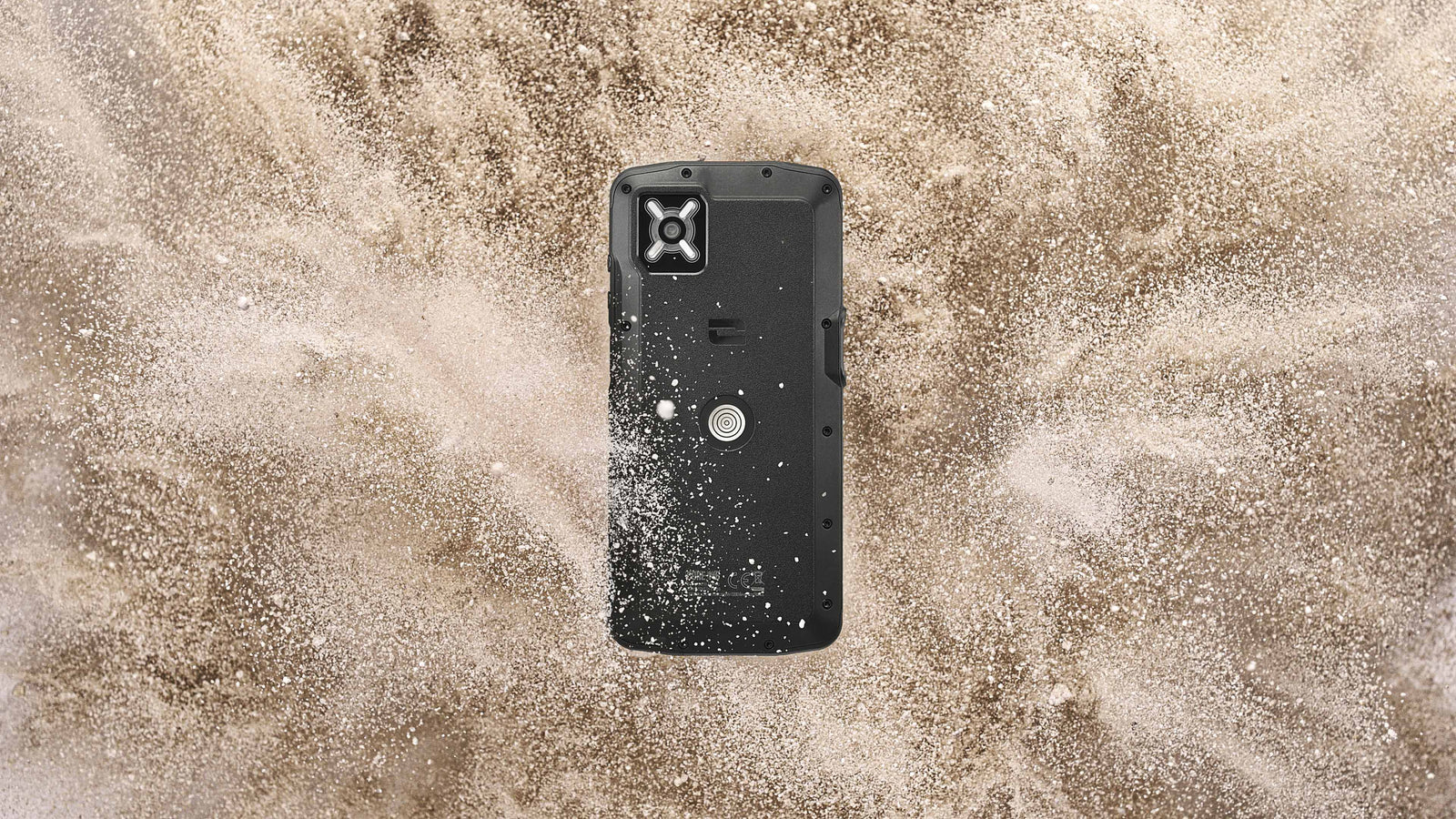


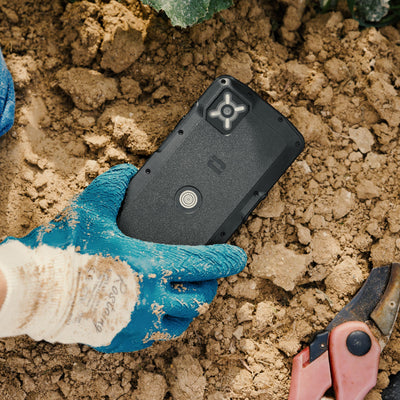
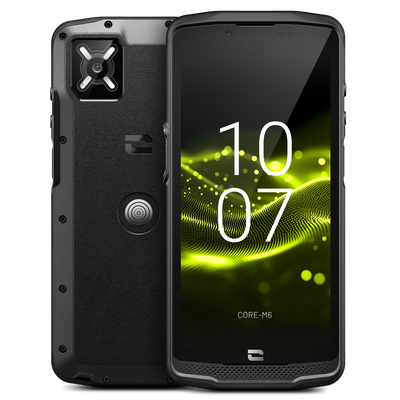

Exclusive X-TREMESHIELD structure

Total waterproofing IP68 / IP69K

5-year manufacturer warranty
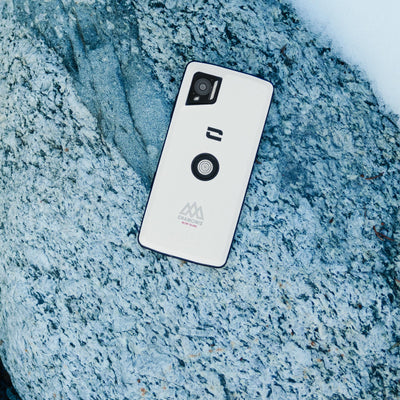
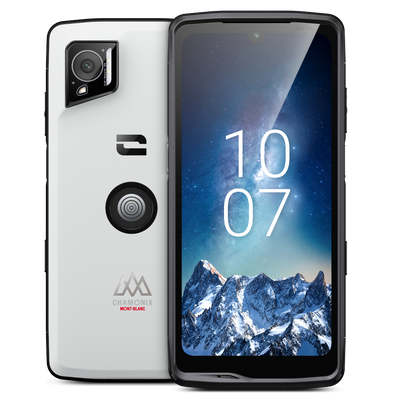

Outdoor mode: up to +25% more battery life
IP68, saltwater, dust
5-year manufacturer warranty
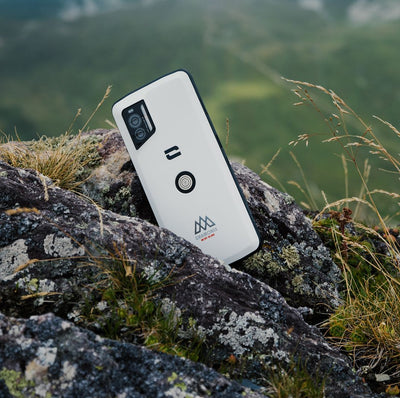
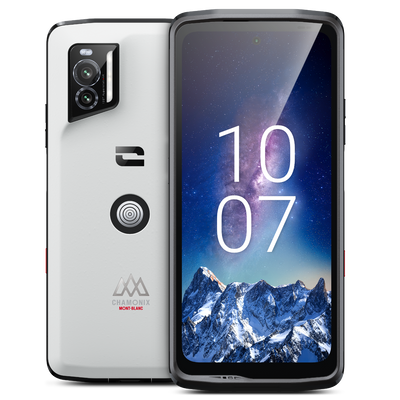
IP68, saltwater, dust
Outdoor mode: up to +25% more battery life
5-year manufacturer warranty
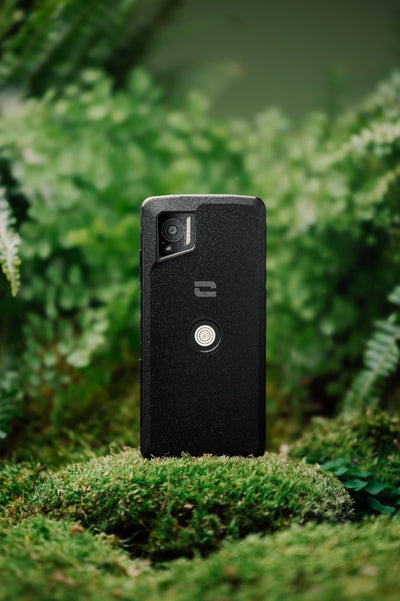
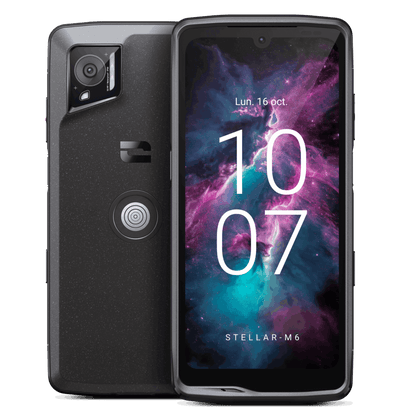

3 customizable action buttons, 1 SOS button

5G, Wifi6/6E, X-LINK, X-SPACE
5-year manufacturer warranty

When it comes to sustainability, it’s not words but actions that make the difference. So we took action.
Phones resistant to all challenges
A 5-year warranty, unique on the market
Designed to last, made to be repaired


Enterprise mobile fleet management: The complete guide to choosing the best business smartphones
The business smartphone is now established as the primary work tool for Frontline Workers—field employees who are often the least well-equipped despite making up a significant share of the workforce. Scanning a package, taking a customer's payment, or running a business application: mobile use goes beyond simple communication, making the mobile fleet a true productivity tool and a source of efficiency, versatility and security. But choosing the right smartphone remains complex: opting for the cheapest model often hides a higher total cost of ownership (TCO), while an unreliable fleet undermines efficiency in the field. This guide gives you the keys to understanding, structuring and optimizing the management of your business mobile fleet: definitions, challenges, selection criteria, MDM solutions, Android Enterprise certifications and total cost of ownership. Table of contents What is a business mobile fleet? Which professions? What are they used for? Who manages the mobile fleet? The essential criteria for choosing a business smartphone Durability Water resistance Battery life Warranty Integrated accessories and services ecosystem Repairability and availability of spare parts Software update policy Android Enterprise compatibility MDM compatibility Summary of selection criteria Why choose a certified Android Enterprise Gold Partner? What is an MDM? What is the true cost of a mobile fleet? Why choose Crosscall for your mobile fleet? FAQ What is a business mobile fleet? A business mobile fleet comprises all the mobile devices (smartphones, tablets, accessories) deployed and centrally managed to equip employees as part of their professional activities. Which professions? Historically intended for executives and sales staff, business smartphone fleets now primarily serve Frontline Workers—employees who work away from an office, on the move and as part of a team, in the field: Logistics and transport (drivers, delivery workers, dock workers) Retail and distribution (sales assistants, order pickers) Industry (production operators, maintenance technicians) Construction and building (site managers, workers) Healthcare (home healthcare workers, paramedics) Agriculture Outdoor sports and leisure Security and emergency services (security officers, firefighters) Local authorities and public services What are they used for? In addition to voice and data communications, these employees use business applications every day: reporting field information, geolocation, barcode scanning, form entry, taking photos for service reports, and viewing purchase orders or service forms. These use cases take place in demanding environments (bad weather, impacts, drops, long workdays) with intensive handling, as with Push-to-Talk use cases. Who manages the mobile fleet? Mobile fleet management varies according to the organization’s size and digital maturity: In small businesses (very small and small-to-medium-sized enterprises), it is often the managers themselves who oversee equipping their teams, looking for reliable equipment that is simple to deploy and immediately effective in the field—without unnecessary complexity. In larger companies, the IT department provides advanced technical expertise (hardware and software): compatibility with MDM (Mobile Device Management) solutions, integration with the business application ecosystem, data security, and compliance with Android Enterprise Recommended (AER) certifications. The Procurement or General Services department focuses on another area: controlling costs and maintaining the fleet, with a priority on responsive after-sales service and strong warranty terms to ensure controlled TCO over the long term. This diversity of user profiles explains why choosing a business smartphone cannot be reduced to a simple technical specification sheet: it must simultaneously address field-use requirements, IT security, and budget management, often handled by different stakeholders within the same organization. The essential criteria for choosing a business smartphone Choosing a business smartphone has nothing to do with choosing a consumer smartphone. Selection criteria must meet specific, field-based, intensive, and sometimes extreme use cases, while remaining reliable and high-performing over time, regardless of which employee uses it or how they use it within the organization. Durability Robustness is measured against precise standards, not marketing claims. Three benchmarks are worth knowing: MIL-STD-810H military standard : it tests resistance to shocks, vibrations, extreme temperatures, and humidity. A compliant smartphone must survive repeated drops. Our rugged smartphones are tested with repeated drops onto all 6 faces from heights of up to 2 meters. IK rating : this standard specifically measures resistance to impacts on the screen, an essential criterion that should not be overlooked, as broken screens are the leading reason for after-sales returns of professional smartphones. Operating temperature range : a rugged professional device must remain fully operational in the most challenging outdoor conditions, as well as in extreme industrial environments (cold rooms, boiler rooms, etc.). An ideal range is between -20°C and +60°C. Since 2025, a drop-resistance rating, graded from A to F, has also appeared on the new energy labels required by the European Union. All our models are rated A. Water resistance The IP68 ratings (dustproof and resistant to liquids during prolonged immersion) and IP69K ratings (high-pressure, high-temperature spray resistance) are essential whenever the device is used outdoors or in a humid environment. It is also important to check that this water resistance has been validated for all types of liquids, not just fresh water: salt water, chlorinated water, as well as oils and other industrial liquids. All Crosscall models are tested during prolonged 30-minute immersions at a depth of 2 meters, and in all types of liquids. Battery life A technician working in the field or a security guard on a 12-hour shift cannot depend on recharging during the day. Battery life measured in real-world use, rather than standby, is often overlooked when making a purchase, yet it is crucial in the field. Prioritize long battery life in real-world use: over 24 hours is still the bare minimum, but it is better to aim for several days of battery life. Our smartphones offer up to 80 hours of real-world battery life. Warranty The warranty period is a direct indication of the manufacturer’s confidence in the durability of its equipment. A 2-year warranty is the legal minimum; a 5-year warranty, including the battery, demonstrates a much stronger commitment to the device’s actual reliability and longevity; a key criterion for reducing the TCO of your fleet. Integrated accessories and services ecosystem Choosing a professional smartphone does not stop at the device itself. The ecosystem of accessories and services that accompanies it is equally decisive when managing a mobile fleet. Accessories designed for ergonomics and business continuity Some accessories make everyday work easier for employees in the field: body-worn attachment systems (holsters, vest clips), vehicle mounts, “multi-device” charging stations, or data transfer solutions. They do not transform how the smartphone is used, but they ensure it remains accessible and permanently available, without service interruptions or lost time in the field. Modules that transform the smartphone into a true business tool Other accessories go further: they literally transform how the device is used, replacing a standalone work tool. A scanner module, for example, can turn a smartphone into a professional handheld barcode scanner. As a result, a single device supports two distinct uses, considerably simplifying fleet management and reducing overall hardware investment accordingly. Integrated services for easier integration Finally, some professional services directly integrated into the smartphone make it easier to deploy new business applications in the company’s workflow, without having to worry about device compatibility. This approach enables IT teams to evolve fleet usage without multiplying devices or technical constraints. This ecosystem approach fully embraces modularity and versatility: a single smartphone can thus replace several different devices, making the fleet easier to manage, more cost-effective, and more sustainable over time. Repairability and availability of spare parts A professional smartphone should be repairable, not simply replaced. The indicators to check are: Availability of spare parts (screen, battery, connectors) Availability of a local after-sales service capable of handling repairs quickly Design modularity (standardized parts, easier disassembly) Since 2025, the European Union has required manufacturers to keep spare parts available for 7 years after the model’s release date. At Crosscall, this period is extended to 10 years. All our smartphone and tablet models have a repairability score of A or B, among the best scores on the market. Software update policy An unupdated smartphone is a security vulnerability waiting to happen. Check: The number of years of guaranteed major Android updates The frequency of security patches The manufacturer’s transparency regarding its software roadmap Since 2025, Europe has required a minimum of 5 years of software support for security and feature updates. At Crosscall, this period is extended to 7 years, subject to compatibility with future Android versions. Android Enterprise compatibility The smartphone must be Android Enterprise Recommended certified, guaranteeing compatibility with the fleet management solutions available on the market (see the dedicated section below). MDM compatibility If you have a large fleet, the device must be compatible with the main Mobile Device Management solutions (SOTI MobiControl, Microsoft Intune, VMware Workspace ONE…) so that fleet management can be centralized through a single solution. (see the dedicated section further down in the article) Summary of selection criteria What to check Why it matters Ruggedness Detailed MIL-STD-810H standard, tested drop height, screen IK rating Reduces breakage rates, particularly for the screen Water resistance IP68 / IP69K certification, resistance to all types of liquids Reliability in humid, dusty environments Battery life Real-world battery life in use, not standby Service continuity without recharging, over several days Repairability Repairability score, parts availability, local after-sales service Reduces replacement costs and time Warranty Duration, including battery coverage Direct indicator of reliability and durability Accessories & services Ecosystem of accessories and add-on modules, business integration services Improved field usability, reduces the number of devices to manage, and simplifies the integration of business applications Updates Number of years covered, patch frequency Long-term security and compliance Android Enterprise "Recommended" certification Simplifies fleet deployment and management MDM compatibility Compatibility with the market’s leading solutions Centralize mobile fleet management Why choose a certified Android Enterprise Gold Partner? Android Enterprise is Google's official program dedicated to professional Android use. It provides a set of APIs and standards that enable companies to deploy, configure, and secure Android devices at scale and consistently, regardless of the manufacturer. In practical terms, Android Enterprise provides: Simultaneous remote deployment Separation of professional and personal data Enhanced data protection and privacy Centralized management of updates and applications Google distinguishes several levels of partnership for manufacturers. Gold Partner status is reserved for manufacturers that demonstrate a strong and ongoing commitment to the compatibility, security, and long-term support of their devices—a level of requirement above basic certification. Crosscall is an Android Enterprise Gold Partner. In practical terms, this means that our devices are designed, tested, and maintained to ensure lasting compatibility with fleet management tools, and that we work directly with Google on the evolution of our products. What is an MDM? An MDM (Mobile Device Management) is software that enables a company to remotely manage its entire fleet of mobile devices: configuration, application deployment, updates, security restrictions, geolocation, and remote wiping in the event of loss or theft. For example, an MDM can: Automatically deploying business applications to each new device Enforcing security policies (passwords, encryption, VPN) Monitoring fleet status in real time (battery, location, software version) and being able to carry out repairs or updates remotely Locking or wiping a lost or stolen device Restricting device use to certain applications (kiosk mode) Some of the most widely used solutions on the French market include SOTI MobiControl, Microsoft Intune, and VMware Workspace ONE. Crosscall smartphones are compatible with the vast majority of MDM solutions on the market. In particular, we maintain a close technical partnership with SOTI, a leading provider, to ensure seamless integration and responsive technical support for our customers deploying this solution. What is the true cost of mobile fleet management? The purchase price of a smartphone represents only part of its total cost of ownership. The following cost categories should be included in a rigorous TCO calculation over a 5-year reference period (the standard Crosscall warranty period): Cost category With a consumer smartphone With a Crosscall rugged smartphone Breakage High breakage rate in intensive field use Significantly reduced breakage rate thanks to certified ruggedness Replacement Frequent early replacement Extended lifecycle, 5-year warranty, battery included Downtime Waiting time for parts / replacement, loss of productivity Local after-sales service in France, reduced turnaround times Repair High cost, sometimes not economically viable (replacement preferred) Design that promotes repairability Maintenance If the fleet is not uniform, significant support requirements and repeated training on new devices Fleet standardization, simplified MDM compatibility Renewal 2–3 years on average in intensive professional use 5 years and beyond Why choose Crosscall for your mobile fleet? Crosscall designs rugged professional smartphones built to meet the demands of businesses operating in the most challenging environments: Certified ruggedness beyond traditional military standards: resistance to repeated drops of up to 2 meters, operating temperatures from -20°C to +60°C IP68 / IP69K water resistance, suitable for damp and dusty environments and prolonged immersion in all types of liquids Up to 80 hours of real-world battery life for certain models, designed for jobs involving continuous mobility 5-year warranty, battery included which directly reflects our confidence in the durability of our products Android Enterprise Gold Partner certification and broad compatibility with the leading MDM solutions on the market Versatile use : our devices can replace several pieces of equipment (fixed workstation with X-Space, PTT radio, barcode scanner with X-Scan), reducing the number of devices to manage Local support in France : X-LAB R&D, dedicated technical support, and responsive after-sales service. A tailored approach adapted to the constraints of each sector A sustainable French brand, with a long-term commitment to repairability and spare-parts availability Extended lifespan for a lower TCO. The 5-year warranty, including the battery, means less breakage, fewer replacements, and lower maintenance costs. Our customers report a significant reduction in their breakage rate and easier deployment after switching to a Crosscall fleet. Discover their testimonials. FAQ What is a mobile fleet? A company's mobile fleet is the set of mobile devices (smartphones, tablets) deployed and centrally managed to equip employees for their professional work. Which smartphone should you choose for a mobile fleet? The choice depends on actual usage conditions: an office environment or field conditions involving exposure to shocks, water, dust, and extreme temperatures. In the latter case, choose a rugged smartphone certified to MIL-STD-810H and IP68/IP69K. What is an MDM? An MDM (Mobile Device Management) is software for the centralized, remote management of mobile devices: application deployment, security, updates, geolocation, and more. It is an essential tool for IT teams managing large fleets of professional mobile devices. What is the average lifespan of a professional smartphone? It ranges from 2 to 3 years for a consumer smartphone in intensive use, compared with 5 years or more for a rugged smartphone backed by a warranty and a suitable spare-parts policy, as offered by Crosscall. How can you reduce the costs of a mobile fleet? By reducing the breakage rate with a rugged smartphone model, standardizing the fleet (one model, one OS), centralizing management and maintenance via an MDM, and planning investment based on TCO rather than just the unit purchase price. Which professions use a mobile fleet? Logistics and transport, retail, industry, construction, healthcare, security, agriculture, local authorities. All professions involving field mobility and the use of voice and data communications in their work.

Crosscall and Telefónica team up for "5G Emergencies"
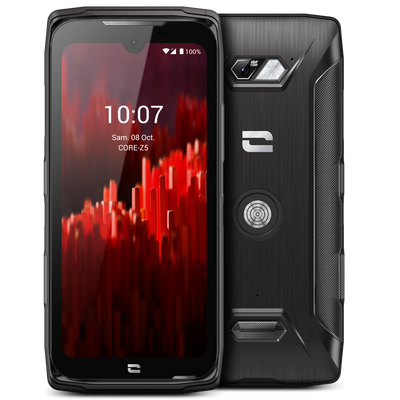
"5G Emergencias," a pioneering program to validate the evolution towards high-speed in emergency communications in Spain Crosscall and Telefónica were selected to deploy the "5G Emergencias" program, a large-scale European initiative aimed at testing and validating the contribution of 5G technology in emergency communications. Funded by the NextGenerationEU fund as part of the Recovery, Transformation, and Resilience Plan, the project aims to subject networks and terminals to real operational situations to draw concrete lessons for the evolution of critical communication systems. In Spain, the program is led by the Generalitat Valenciana, specifically by the Valencian Agency for Security and Emergency Response (AVSRE), which entrusts project coordination to Infraestructures i Serveis de Telecomunicacions i Certificació, S.A.U (ISTEC). These two public entities are involved in crisis management, rescue coordination, and the integration of technologies for civil protection. A project rooted in a territory and its operational realities The program aims to evaluate the reliability and effectiveness of 5G technology through four test phases, each representative of real intervention conditions, diverse environments, and operational constraints. Dense urban environment – Valencia, La Cridà : management of a large urban event with risk of network saturation and multiple simultaneous communication flows. Industrial zone – Almussafes : simulation of an accident involving chemical risk, in an environment with irregular network coverage and significant physical constraints for equipment. Isolated natural environment – Benagéber Dam : simulation of a forest fire and an air accident, combining 5G/satellite connectivity, aerial and underwater drones, in areas where connectivity is not guaranteed. Urban environment – Valencia, Emergency Coordination Center : simulation of solution deployment in a context directly related to operations, coordination, and intervention supervision. The goal is to leave nothing to chance and to ensure that the program's conclusions accurately reflect operational reality in all its diversity. "Our mission is to provide institutions with the best critical communication tools. This pioneering project clearly demonstrates that improving interoperability and data quality optimizes real-time decision-making." Juan De Mingo, Head of Sales – Crosscall CORE-Z5: a terminal designed for emergency communications In each of these four environments, Crosscall's CORE-Z5 was selected as one of the evaluated devices. Already deployed with numerous public organizations in Europe and awarded the title of "Best MCX Product of the Year" at Critical Communication World 2024, it was designed to meet the most critical operational requirements: Durability and waterproofing: IP68/IP69K and MIL-STD-810H certifications — resistant to prolonged immersion, shocks, vibrations, extreme temperatures, and dust. PTT Ready: integrated Push-to-Talk button, ensuring immediate availability and optimized ergonomics for instant communication between responders. Network performance: CORE-Z5 is designed to operate on 5G networks and private networks, leveraging the capabilities of "network slicing," ensuring a dedicated and prioritized network slice for emergency traffic, even in congested or high-demand environments. The CORE-Z5 is deployed alongside an ecosystem of accessories specifically designed for the field: the X-COMM, a Bluetooth micro-speaker for reliable hands-free communication; the X-POWER, a magnetic external battery that doubles the device's autonomy; and the X-POWERSTATION, a multi-device charging platform that ensures continuous availability between service shifts. Thanks to this terminal, Crosscall and Telefónica offer a comprehensive solution, combining network performance and equipment reliability in the field. Expected results for all of Europe The "5G Emergencias" program aims to generate concrete and applicable results at the European level. The conclusions from the various scenarios will be submitted to the European Commission in June 2026. The goal is to identify deployment models that can be replicated in other territories, taking into account local specificities while relying on a common technological foundation. This project highlights Crosscall's strong expertise in emergency communication, as well as its ability to support the evolution of uses and infrastructures on the ground at a European scale.

What is the best battery life for a rugged smartphone?
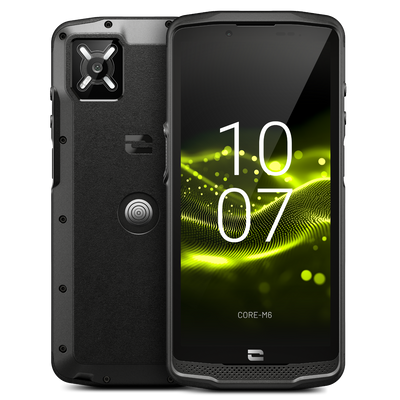
What is the best battery life for a rugged smartphone? You've probably experienced the battery dying during an outing and had to turn off GPS or the screen to save what remains. Situations like this can quickly ruin a workday or an outdoor trip. With a phone truly designed for your activity, this shouldn't be a problem. In general, the battery life displayed by regular smartphones is hard to interpret without really knowing the testing protocols. As a result, the displayed battery life rarely corresponds to real usage... That's the whole difference between advertised battery life and real battery life. The mAh figure indicated on the product sheet remains a technical specification that doesn't say much about the battery's behavior in real-world use. A new European energy label now requires brands to communicate battery life measured under real conditions, not just standby. This battery life corresponds to the duration of smartphone use with a full charge, expressed in hours and minutes per battery cycle. It is obtained through a European protocol common to all manufacturers: the phone undergoes 2.5-hour test cycles simulating various daily uses (4G calls, web browsing, video playback, and standby phases) until it completely shuts down. The result thus indicates how long the smartphone can operate on a single charge according to a standardized usage scenario, offering a more reliable comparison between models. For a professional, on a construction site, on tour, in the field, or for someone practicing outdoor activities, battery life is not a minor detail. This is what allows you to get through an entire day without relying on a power outlet or an additional charge during the day. A smartphone designed to last must be able to keep up, even when the day gets longer. What is good battery life for a rugged smartphone? Today, most smartphones have around 6,000 mAh capacity, and some exceed 7,000 mAh. But for a rugged smartphone, this number is not the most important. What matters is the real battery life: that is corresponds to the usage conditions defined by the product's energy label. On this point, aiming for at least 48 hours of real battery life is a good benchmark for regular field use. The STELLAR-X5s Chamonix-Mont-Blanc Edition, for example, lasts up to 54 hours in real conditions, a sufficient margin to cover an extended day or outing. Needs then vary depending on usage: for basic office use (calls, emails, light browsing), the battery easily lasts; as soon as GPS, photos, and business apps are added, consumption increases significantly; in intensive outdoor use (tracking, maps, location sharing), a standard battery can drain in a few hours. Why do two phones with the same battery capacity not have the same battery life? Three main factors explain the difference: the processor (some consume less at equal performance), the screen (a 120 Hz panel consumes more than a 60 Hz panel), and software optimization, which determines how the system manages background apps. At equal capacity, a smartphone with long battery life A well-optimized device will therefore last significantly longer than a standard model. Which uses consume the most battery? GPS, photo, video, and business applications : GPS is one of the most power-hungry functions. It’s not the signal reception that drains power, but the continuous position calculation, map updates, and constant communication with satellites. Yet it’s hard to do without: it’s often a safety reference, whether for a delivery person, a security guard on patrol, or a hiker. The camera and video also consume a lot, especially outdoors: difficult lighting conditions put more strain on the processor and screen, and advanced video modes require heavier image processing. Added to this are business applications: reports, barcode scanning, geotagged photos, walkie-talkie apps, which often run in the background all day. Mobile network, 5G, and tethering A smartphone in a low coverage area is never truly at rest: it regularly sends signals to try to connect to a tower. This repeated cycle consumes a lot of power, especially in isolated areas, basements, or poorly covered industrial zones. 5G, being faster, also drains the battery more than 4G when kept continuously active, as does tethering, which is often used in the field to connect a tablet or laptop. Why does battery life decrease outdoors? The impact of cold and weather conditions Temperature has a direct impact on the battery. A battery works optimally between 15 and 35°C. Below -5°C, the battery seems to drain much faster. The phone may even shut down while still showing 20% charge. This phenomenon is reversible once back to room temperature, but on a construction site in winter or in the mountains, this is not always possible. Conversely, staying above 40-45°C for long periods permanently degrades the battery. That is why a rugged phone must be able to operate over a much wider temperature range than a standard smartphone, ideally from -20°C to +60°C. Field and mobility constraints In an office environment, a smartphone usually stays near a power outlet and is not heavily used. Outdoors, the situation is different: full days away from any recharge, constant movement, GPS, network, and screen on simultaneously, sometimes rain or dust as well. This combination of constraints explains why a smartphone discharges much faster in the field than in the office, even with the same battery capacity. What battery life to expect based on your activity? Battery life needs vary depending on the profession or activity. Some concrete benchmarks: Building site : the construction professionals often work outdoors, with site tracking apps and geotagged photos, without always having access to a power outlet. It is advised to aim for one and a half to two days of battery life. Logistics : the field teams perform parcel scanning, GPS, and communication throughout the day. Battery life must cover a full day without recharging margin. Security : the security agents often work irregular hours or night shifts, with walkie-talkie and geolocation active continuously. A battery life of 24 to 48 hours in communication is recommended. Hiking and outdoor : for outdoor activities, between GPS, tracking, and no recharging for several days, aiming for 48 hours or more is essential for safety. Activity Main uses Recommended real battery life Construction / building site Photos, business apps, outdoor 36 to 48h Logistics / transport GPS, scanning, continuous communication 24 to 36h Security Walkie-talkie, geolocation, irregular hours 24 to 48h Hiking / outdoor Intensive GPS, tracking, no recharging 48h and more How to choose a rugged smartphone with long battery life? Some criteria to consider: Battery capacity (mAh) : the higher it is, the greater the potential battery life, although it alone is not enough to judge the real endurance of a device. Software optimization : a good professional smartphone combine a large-capacity battery with low-power components and efficient background app management. Power-saving modes : beyond the classic power-saving mode, which restricts all functions, some smartphones allow more precise settings. Crosscall’s Outdoor Mode, for example, can increase battery life by up to 25% without sacrificing essential functions. Real battery life rather than just battery capacity number : this is the most reliable criterion. A model that lasts 48 hours or more in real use is preferable to a high mAh number that is not representative of field conditions. On these criteria, models like the STELLAR-X5s or its version STELLAR-X5s Chamonix Mont-Blanc combine high-capacity battery, Outdoor Mode, and IP68 waterproofing to last up to 54h in real conditions. For more versatile professional use, the CORE-M6 offers a real battery life of 80h, IP68/IP69K waterproofing, and programmable buttons suited to the field. What level of battery life is expected for a rugged smartphone? For sustained professional or outdoor use, you should aim for at least 24 to 48 hours of real battery life, with GPS active and network in use. The most durable models, like the STELLAR-X5s Chamonix-Mont-Blanc, reach up to 54 hours in real conditions. Does cold reduce battery life? Yes, significantly. Below -5°C, chemical reactions in the battery slow down, which accelerates discharge and can cause the phone to shut down abruptly even though there is still charge displayed. That’s why rugged smartphones are designed to operate over a much wider temperature range than a standard model. Does GPS consume a lot of battery? Yes, it is one of the most power-hungry functions. Continuous position calculation, map updates, and constant communication with satellites heavily impact battery life, especially when the network is weak at the same time. What battery life is expected for a construction site smartphone? On a construction site, between business applications, geolocated photos, and extended outdoor use, it is recommended to aim for 36 to 48 hours of real battery life to cover a full workday with a safety margin, without relying on easy access to a power outlet.
You want to
equip your teams.
Discover customized solutions
tailored to each industry
for your business.
Take advantage of -10% right now!
Sign up to unlock your discount and access our exclusive offers and new products first.