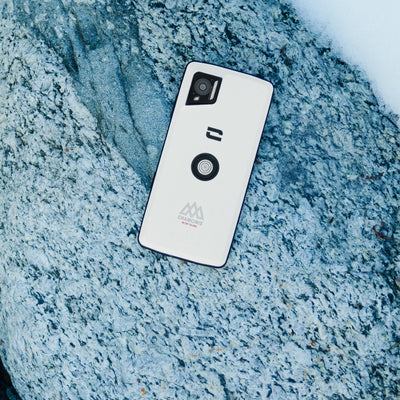
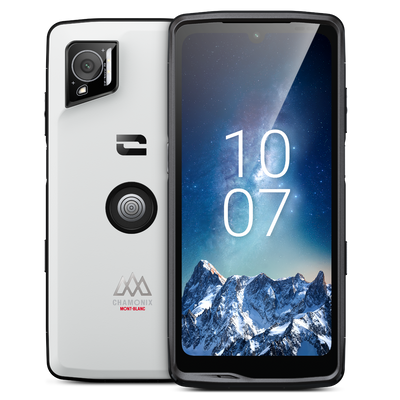
STELLAR-X5S

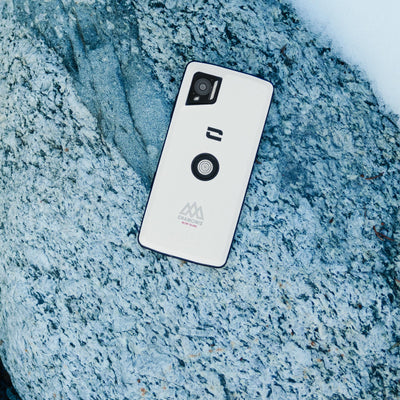
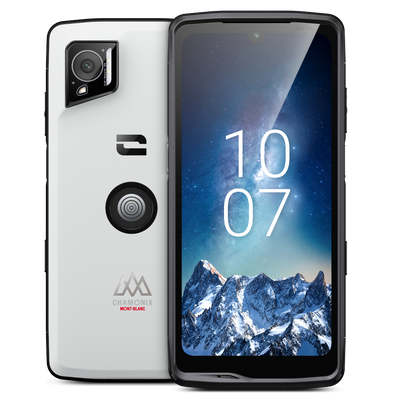
Chamonix-Mont-Blanc edition
+ X-VIBES OFFERED

SEE THE SELECTION

From €29.99/month* FRENCH DAYS -€20
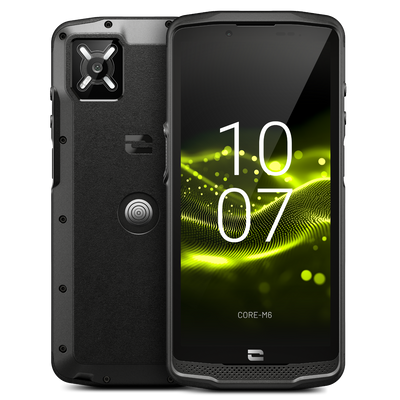
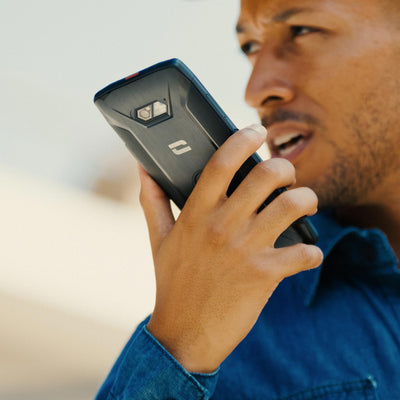
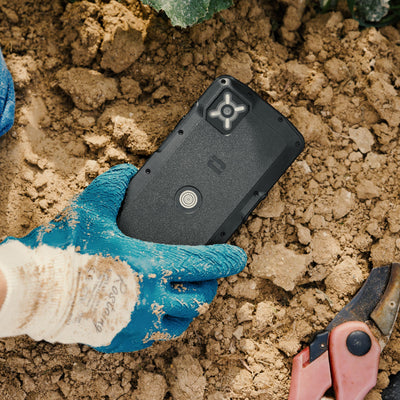
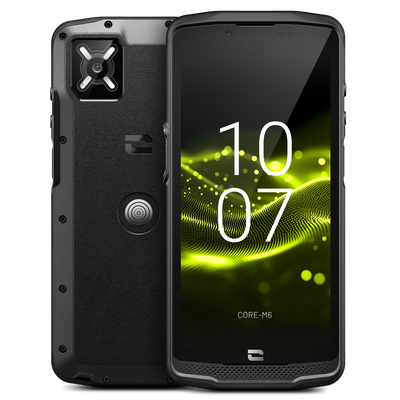
CORE-M6
CORE-M6
Learn more

Exclusive X-TREMESHIELD structure

Fully waterproof to IP68 / IP69K

3 programmable buttons: SOS, IA & PTT

 
319,90€ 299,90€
From €64.99/month* FRENCH DAYS -€50
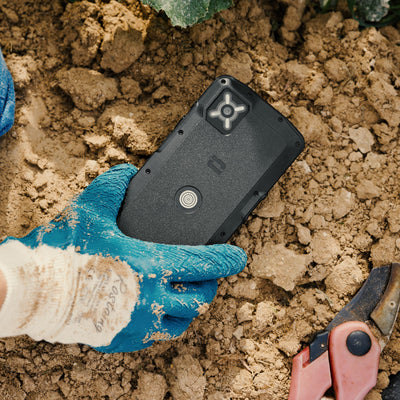
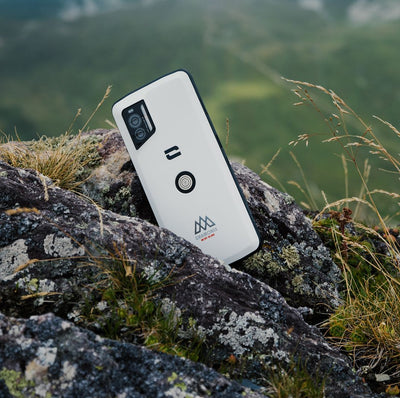
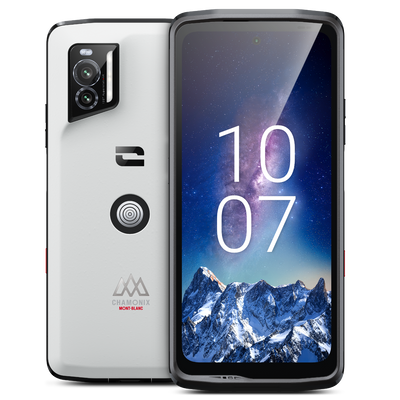
STELLAR-X5s Chamonix
Learn more

IP68, salt water, dust

Outdoor mode: up to +25% autonomy

Resistance to repeated drops

 
699,90€ 649,90€
From €29.99/month* FRENCH DAYS -€270
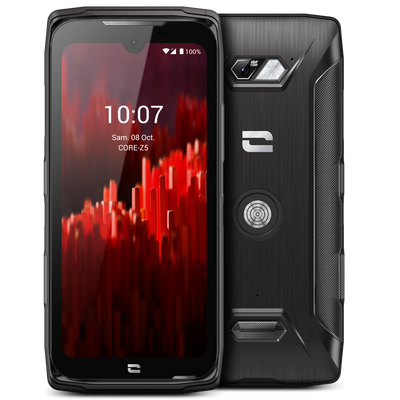
CORE-Z5
CORE-Z5

44 hours of communication autonomy

4 programmable action buttons

Ultra-precise GPS at 3 meters

from
569,90€ 299,90€
From €42.99/month* FRENCH DAYS -70€
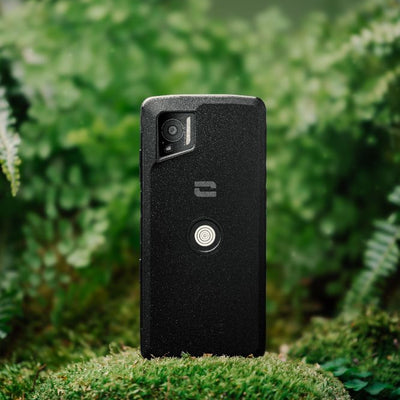
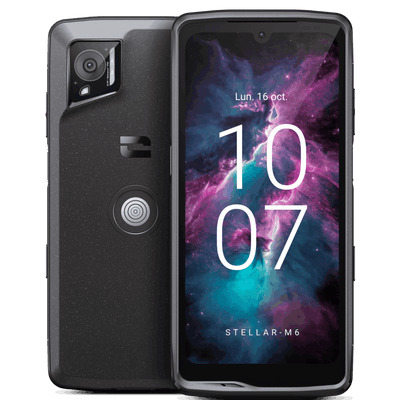
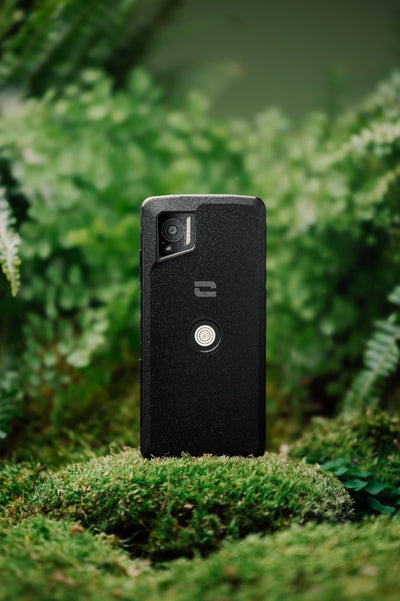
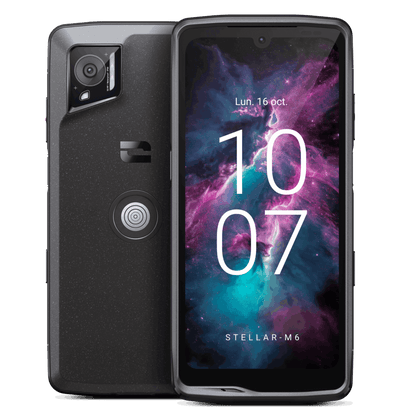
STELLAR-M6 Chamonix
STELLAR-M6 Chamonix

Outdoor mode: up to +25% autonomy

IP68, salt water, dust

Resistance to repeated drops

 
499,90€ 429,90€
VOIR TOUTE LA Sélection

Crosscall
Commitments

When it comes to sustainability, it’s not words, but actions that make the difference. So we acted.


Phones resistant to all tests

Learn more

A 5-year Warranty, unique on the market

Read more

Built to last, designed to be repaired

Read more

What our
customers say

0/5
Chargement...
ALL REVIEWS

The latest news...

Groupe de randonneurs dans la montagne

24 Hours Immersed in the Mont Blanc Massif

Sleeping on the Géant glacier, facing the mythical peaks of the Mont Blanc massif, is an extraordinary experience. This is what awaits the two winners of our contest, accompanied for this Stellar Camp by a guide from the Compagnie des guides de Chamonix and Lucy Paltz, Crosscall ambassador.  Here is their story. 8:00 AM, in the center of Chamonix:   It’s cool, the sun is shining, the conditions are ideal for two days in the high mountains! On the agenda, ski touring, but also bivouacking on the Géant glacier, a unique experience for the two winners of our contest.  The battery of our STELLAR-X5s Edition Chamonix Mont Blanc is fully charged, but we directly activate Outdoor mode to minimize its use and thus enhance its performance.  The Outdoor mode allows non-essential applications to be put to sleep to prevent them from running in the background and unnecessarily consuming battery. It’s a real plus compared to airplane mode because we remain reachable by phone or SMS, and the available applications can be customized. 9:00 AM, on the other side of the Mont Blanc tunnel: Our adventure begins in Italy, as we take the Skyway cable car to get as close as possible to the Géant glacier. Arriving on the terrace of the Torino refuge opens the doors to the high mountains with Mont Blanc within reach.  Wherever we look, the view is breathtaking. Our guide details the different peaks that reveal themselves on the horizon and gives some advice for the upcoming hike. 10 AM, skis on! We left our bivouac gear for the night in one of the corridors of the refuge to carry a bit less weight for the ski touring day. We begin our walk with a beautiful descent into the Combe de la Vierge, with a mandatory photo stop in front of the blue seracs. Arriving at the bottom of the valley, we put the skins on to climb back up on touring skis to the Col d’Entrèves. I check the elevation gain on Iphigénie, the mapping app on my Stellar: 600m of D+ on the agenda. An hour and a half later, we contemplate a breathtaking landscape of a myriad of peaks over 4000m, from the Barre des Écrins on one side to the Matterhorn on the other. After the picnic, we enjoy a descent in still fresh snow; the conditions are ideal for late April. Photo credits: Pierre Cosperec - Compagnie des Guides 3 PM, we put the skins back on!  We need to go back to get our bivouac gear and repack the backpacks for the night. While the other climbers and visitors descend into the valley, we look for a flat enough spot to set up our camp.  The guide explains how to probe the spot to avoid setting up the tent on a crevasse, how to make a nice platform for more nighttime comfort, and how to melt snow. We set up the tents, facing the Dent du Géant! Photo credits: Pierre Cosperec - Compagnie des Guides 5 PM, alone in the world!  Little by little, the temperature cools and the silence is only disturbed by the cries of the choughs that come to visit us to glean the crumbs of the biscuits shared around tea. The stoves are running at full capacity to rehydrate us.  It’s an extraordinary feeling to be alone in the heart of the Mont Blanc massif as the sun warms the horizon. We explore the surroundings of the camp to add some souvenir photos to our STELLAR-X5s gallery! Photo credits: Pierre Cosperec - Compagnie des Guides 6:30 PM, dinner time.  On the menu: freeze-dried! Chicken curry, beef stew, or pasta with fried onions, it’s very hearty and more flavorful than it looks. The guide has even planned for desserts, and while it’s a bit strange to pour boiling water into a pouch to rehydrate your chocolate mousse, it’s enjoyed while watching the sunset over Mont Blanc. 20h, all warm!  With the sun gone, the temperature drops suddenly. We each head to our tents to slip into the thick cozy sleeping bags lent by the Compagnie des Guides. Goal: to pile at the bottom everything that is sensitive to cold and humidity. The ski boot liners, the overpants (we will sleep in first layer and fleece), but also the phone.  Even though it has held up perfectly since this morning (still 63%) despite heavy photo/video and mapping use, we need to avoid polar temperatures at night to optimize its battery. 6:50 AM, up! Upon waking, frost covers the tent and the sleeping bag, but it was so cozy that we didn't feel cold. The altitude gave some members of the group a bit of a headache: acclimatization takes time, and we must not forget that we are sleeping at 3500m! Over a cup of tea, we share our feelings and especially fully enjoy the last moments alone in the world on the glacier. By the time we fold the tents, pack the gear, and take the path back to the cabin, the first climbers are already arriving. 9:30 AM: the fog is getting denser. What was just a mist at dawn becomes so intense that you can't see three meters ahead. Heading to the Skyway to descend into the valley and have a cappuccino in Italy before heading to Chamonix! The experience was incredible, a true immersion in the magical landscapes of the Mont Blanc massif.  The STELLAR-X5s is the ideal tool for this kind of adventure since instead of taking an external battery (which adds more weight to an already significant load), you can fully benefit from its endurance.  Not to mention that its waterproofing and shock resistance allow it to withstand all the challenges of high mountain evolution! Lucy Paltz "Journalist and athlete, I work on numerous video content creation and social media projects. I am also a Crosscall ambassador." Website - Instagram 

BTP CORE-M6

PTI Phones: How to Choose a Reliable Model for the Safety of Lone Workers?

Which PTI phone to choose? Buying guide and comparison to equip isolated workers According to the Ministry of Labor, in 2024, 549,614 workplace accidents were recorded in France. Reducing this number is a key priority to ensure the safety of employees, preserve their health, but also guarantee the smooth operation of organizations and enhance the overall performance of businesses.  When your employees are increasingly mobile and present in the field, the PTI phone becomes an indispensable asset in risk prevention and emergency management. It complements the safety plans, training, and protective equipment already in place in companies. It is within this dynamic that the use of PTI smartphones : tools capable of detecting critical situations (fall, malaise, aggression) and triggering an alert quickly, enhancing the safety of isolated workers while meeting the legal obligations of employers. Because they often work alone in high-risk environments, isolated workers must be able to rely on reliable equipment. The PTI phone meets this specific need: it combines the performance of a professional smartphone with advanced security functions to alert immediately in case of danger. But how to choose the right model? What features are truly essential? And which PTI smartphone best suits each use? Let's take stock to help you make the right choice for your organizations. What is a PTI phone? A PTI phone, or Isolated Worker Protection device, is a mobile device designed to detect abnormal or dangerous situations when an employee is alone at their workplace. It relies on two types of triggers: a passive alert system (automatic fall detection, immobility, loss of verticality) and an active trigger via an SOS button or a manual alert.  Crosscall does not directly provide PTI software solutions but designs rugged smartphones compatible with the main solutions on the market. Combined with high-speed networks, public or private, these devices enable the creation of efficient PTI systems that meet the security requirements of businesses and communities. Beyond alerts, an effective PTI phone also relies on other essential assets: excellent connectivity, ergonomics suited for field environments (even with gloves), a sufficient autonomy to last an entire workday, as well as proven resistance to shocks, dust, and water. These features make the PTI smartphone a true security tool at the service of businesses. Use cases for lone worker phones: Lone worker phones are used in many sectors, each exposing workers to different risks depending on their environment: In the construction and public works sector, workers operate on large construction sites, at heights, or underground. Falls, mechanical accidents, or isolation on site make the use of a lone worker phone essential for quickly alerting emergency services. In theIndustry,the technicians or maintenance operators may be required to work alone in high-risk areas: factories, power plants, technical rooms. They are exposed to electrical, chemical, or heavy machinery risks. A lone worker device ensures their continuous protection. In Logistics and Transport, forklift operators, drivers, or dock workers may find themselves isolated at certain times of the day or night. They are exposed to risks of falls, traffic accidents, immobilization, or even assault, especially in public transport. A lone worker smartphone ensures reliable communication and continuous alert capability, even in remote or hard-to-reach environments. In the health sector, home care aides, nursing home staff, or night professionals work alone with patients or in facilities. They may face discomfort, stressful situations, or acts of aggression. A discreet and ergonomic lone worker phone allows for an alert to be triggered instantly. For security or defense professionals, being in the field is often isolated, at night or in sensitive environments. Patrol officers, dog handlers, or military personnel may encounter emergency situations (assault, fall, technical incident). The lone worker equipment ensures their safety by maintaining constant communication with a monitoring center or a designated contact. Find some examples of use by French Police and Gendarmes.  In distribution and retail, some employees may work alone, particularly in logistics warehouses, goods reception areas, or during off-hours. Others, in retail, are exposed to tensions or aggressive situations, especially during closures or security interventions. The use of a lone worker phone ensures their protection, thanks to discreet alert functions and reliable communication in all circumstances.  The key features of Crosscall PTI smartphones: In sectors such as construction, industry, logistics, health, or security, professionals often operate in isolated and risky environments. To face these field realities, it is essential to rely on reliable, robust mobile equipment designed to respond effectively in emergencies. This is precisely where Crosscall PTI smartphones provide a concrete response, combining safety, field performance, and advanced communication technologies. To choose the right PTI phone, several criteria are crucial: Robustness : shock resistance and MIL-STD 810H certification, total waterproofing against all liquids and dust (IP68) Battery life : long-lasting battery designed to last a full day of intervention without recharging Programmable buttons : to quickly trigger an SOS alert or a Push-to-Talk call, even with gloves Smart sensors : automatic detection of falls, prolonged immobility, or loss of verticality Network compatibility : 4G, 5G, Wi-Fi, and PMR to ensure optimal connectivity, even in isolated areas Indoor/outdoor geolocation : for real-time tracking, including inside buildings Designed for field professionals, Crosscall PTI phones integrate all of these features into reliable, durable, and certified devices capable of ensuring the safety of lone workers, regardless of their profession or environment.  Why choose a PTI phone over a standard smartphone? A standard smartphone does not include the specific safety devices for lone working. PTI phones, on the other hand, are designed to be used in demanding conditions: construction sites, industrial locations, sensitive or hard-to-reach environments. Crosscall phones are designed for field use: their shock resistance, waterproofing, and compact format allow them to operate in demanding environments. They also integrate reliable connectivity, via public or private high-speed networks, essential to ensure the transmission of alerts in any type of environment, even when it is remote or logistically complex. The ergonomics are designed for the realities of the field, with programmable physical buttons, accessible and discreet, allowing you to trigger an alert in the blink of an eye, even with gloves or silently in delicate or dangerous situations.  Our Crosscall PTI phone models and accessories: At Crosscall, we offer several PTI-compatible models, tailored to the needs of each professional environment: CORE-M6 : X-TREMESHIELD Technology, total waterproofing IP68 / IP69K, 3 programmable buttons: SOS, AI & PTT CORE-Z5 : ultra-resistant smartphone with 4 programmable buttons, 100 dB speaker, enhanced battery life, and PMR compatibility. Perfect for extreme environments. STELLAR-M6 : rugged smartphone, compact and lightweight, equipped with a programmable SOS button and excellent resistance to shocks and liquids. It is perfectly suited for medical environments, home care aides, or mobile health professionals. X-COMMAND : Programmable Bluetooth remote control to keep your actions quick at hand, and launch alerts discreetly.   To discover To discover To discover To discover Conclusion: Choosing a PTI phone well is an essential step to effectively protect isolated workers. By considering robustness, detection features, connectivity, and battery life, companies can ensure they provide their teams with a reliable and suitable PTI solution. Crosscall offers a complete range of PTI smartphones and tablets designed to last and meet the realities of the field.  Discover here which smartphones are best suited to your PTI needs.   FAQ: In what cases should you equip your teams with a PTI phone? You should consider a PTI phone when your employees: work alone, without direct supervision (day or night); operate in high-risk areas: construction sites, roadways, technical rooms, unoccupied buildings, etc.; are exposed to falls, health issues, assaults, or industrial risks; evolve in mobility, in difficult-to-locate environments. In all these situations, a PTI phone like those from the Crosscall range provides a concrete response in terms of safety, responsiveness, and regulatory compliance.  Which PTI phone to choose according to your sector of activity? The choice of a PTI phone heavily depends on the work environment. For intensive use in construction or heavy industry, a model like the Crosscall CORE-Z5 is recommended. In community settings or for rounds, the CORE-M6 is more suitable. In hospital environments, in nursing homes, or for home care services, the STELLAR-M6 is perfectly suited: compact, lightweight, waterproof to all liquids, it can be easily cleaned with antibacterial gel or disinfectant wipes. It is also equipped with an SOS button and compatible with medical equipment. Each sector has its optimal model. What accessories are available for Crosscall PTI phones? Crosscall offers a range of accessories dedicated to field use: the vehicle mount X-CAR, the external battery X-POWER, the earphones X-VIBES, and the charging and transfer stations X-DOCK. These devices facilitate the daily use of the phone in demanding environments.

Un passionné d'outdoor court smartphone à la main

What battery life to expect from an outdoor smartphone?

Going hiking at sunrise, covering miles on a trail, camping for several days far from civilization… When you live your passion in the great outdoors, the last thing you want is to keep a worried eye on your smartphone's battery gauge. It's a matter of freedom, of course. But also, and especially, of safety. In natural environments, the smartphone is much more than a comfort tool: it is your link to your loved ones, your means of being located, and of raising the alarm if conditions worsen. However, when choosing their phone, many outdoor enthusiasts overlook battery life. A mistake that can prove dangerous, as lthe battery life of an outdoor smartphone is generally between 48h and 80h in real usage. In extreme conditions (cold, active GPS, weak network), a regular smartphone can drain in a few hours, while an outdoor model is designed to last several days depending on usage. Discover our tips to understand everything about battery life in outdoor conditions, as well as our selection of outdoor smartphones. Why is battery life a key criterion in outdoor activities? Since 2020, outdoor activities have seen significant growth in France: according to the study Ipsos - BVA "The Boom of Outdoor" (2024), walking and hiking are the most popular activities, with 73% of French people participating. Road cycling or VTC comes in second, practiced by 31% of the French. Finally, running, practiced by 28%, rounds out the podium of the French's favorite outdoor activities.And for all these activities, the smartphone has become a true outdoor companion. Outdoors, your phone is no longer just for making calls. It serves a variety of uses, all of which consume a lot of energy: Route preparation and navigation with apps like Visorando or AllTrails, which continuously use GPS and the screen. Performance tracking and community sharing via Strava or Running Heroes, with real-time data recording. Terrain analysis and advanced weather with tools like Whympr or Windy, which require a constant network connection. In addition, there are often connected devices — GPS smartwatches, wireless earbuds, heart rate sensors — that maintain permanent Bluetooth connections with your smartphone. But beyond the comfort of practice, the smartphone has especially become the main safety tool for outdoor athletes. It is now the most reliable means for the general public to be located in case of trouble, to stay in contact with a loved one or a safety contact, to send an emergency message, or to trigger an automatic geolocation beacon. Functions that require being constantly connected to the network, even in remote areas where the signal is weak — which, as we will see, is particularly energy-consuming. Finally, the very nature of outdoor outings imposes constraints that the everyday smartphone is simply not designed to handle: entire days away from any power outlet, multi-day outings on treks or bivouacs, and sometimes extreme weather conditions — severe cold, heat waves, rain, altitude — that weaken the battery as much as they demand from the phone. The battery life of a outdoor smartphone is therefore not just a matter of comfort: it is a question of safety. Our selection of Outdoor smartphones See Product See Product See Product What consumes the most battery outdoors The cold and extreme weather conditions It is one of the most underestimated phenomena by outdoor practitioners: temperature has a direct and immediate impact on your battery's performance. Lithium-ion batteries that power our smartphones operate optimally between 15 and 35°C. Outside of this range, things get complicated. In cold weather — from -5°C — the electrochemical reactions inside the battery slow down. Specifically, your battery seems to drain much faster, and your phone may shut down abruptly while still showing 20% charge. This phenomenon is reversible: the battery regains its normal capacities once it returns to room temperature. But in the mountains, this is not really an option. Conversely, extreme heat — during a summer hike or an outing in a desert environment — causes irreversible chemical degradation of the battery. Each prolonged exposure to temperatures above 40-45°C permanently reduces the maximum capacity of the battery. In other words, your smartphone loses battery life permanently, outing after outing. That is why outdoor smartphones must be equipped with batteries and thermal architectures capable of operating in much wider temperature ranges — ideally from -20°C to +60°C — to ensure real autonomy in all conditions. GPS navigation GPS is one of the most energy-consuming features of your smartphone.  Contrary to what one might think, it is not the act of "receiving" a signal that consumes energy, but the continuous calculation of your position, the updating of the map, and the constant communication required. However, it is hard to imagine being without GPS on an outing when it can be a real safety net.  The challenge is to choose an outdoor smartphone whose battery is sized to handle this consumption over time, and whose software is optimized to efficiently manage this type of energy consumption. Network connection in isolated areas When your smartphone is in an area with weak network coverage, it does not remain passive. It frequently sends signals to try to latch onto a tower — what are called network "pings." This repeated cycle is particularly energy-consuming. In mountainous areas, dense forests, or isolated countryside, this phenomenon can increase consumption. And since staying connected is essential for your safety outdoors, it is not feasible to simply disable mobile data. Again, the battery life of your outdoor smartphone must be sufficient to handle this overload.  Photography and video in outdoor conditions Outdoor landscapes make you want to capture everything. And using the camera outdoors has a significant impact on your battery life, for several reasons. Outdoor lighting conditions like backlighting or low light put more strain on the processor and screen, and can mobilize significant resources. Advanced video modes like slow motion or timelapse are also very resource-intensive, as they require intensive image processing in almost real-time.  And if you have enabled automatic backup in the cloud or instant sharing on social networks, each photo or video will trigger a mobile data transmission — with all that this implies in terms of network and battery consumption, especially in low signal areas. Good practice: disable automatic backup before going out, and perform your synchronizations once you are back home, with your WiFi connection. Fall and immobility detection : in case of loss of verticality or sudden fall Real-time location sharing : to be located instantly by the team or emergency services Dedicated SOS button : accessible even with gloves or dirty hands Automatic emergency call : triggered in case of a critical situation The smartphone is no longer just a communication tool: it becomes a true safety device, watching over the artisan throughout their day. Why does a typical smartphone not last outdoors? The consumer smartphone is designed for comfortable conditions: constant network access, ambient temperatures, and above all, a power source within reach to recharge at least once a day.  Its philosophy is that of instant power: ultra-fast processors, very bright OLED screens, resource-hungry software architectures to run increasingly demanding applications.  This power at the moment comes at the expense of resilience over time. In outdoor settings, where all applications run simultaneously at full capacity — GPS, network, screen, Bluetooth — the battery of a typical smartphone collapses in a few hours. In contrast, an outdoor smartphone is designed with a philosophy of long-term energy efficiency: it optimizes the consumption of each component, intelligently manages background resources, and offers much finer configuration options than just the basic "power-saving mode." The battery problem goes beyond just immediate battery life. Standard smartphones are often charged once a day. However, each charge cycle that reaches 100% accelerates battery degradation. After 300 to 500 cycles — or about one to two years of intensive use — the battery only holds a fraction of its original capacity. These batteries are often designed to last the duration of the 2-year manufacturer warranty. Outdoor smartphones, on the other hand, come with batteries designed to withstand 1,000 full charge cycles while maintaining 100% of their performance. And at Crosscall, this battery is included in the 5-year manufacturer warranty. Finally, the weather conditions to which an outdoor smartphone is exposed — cold, rain, humidity — pose a direct threat to the physical integrity of the battery.  Moisture that seeps into a non-waterproof casing can cause internal short circuits or corrosion on the battery connectors.  Brutal cold can accelerate their aging irreversibly. A standard smartphone, not IP68 or IP69K certified, is simply not designed to withstand these aggressions. A battery that discharges faster in extreme conditions, in a phone that is not protected against those same extreme conditions: this is a double risk for your safety outdoors.  The outdoor smartphone addresses both problems at once: better battery life, a battery resilient to temperatures, an ultra-resistant and waterproof casing, for total availability in all conditions. What real battery life to expect from an outdoor smartphone? Not all battery lives are equal. Between the figures announced by manufacturers and the reality on the ground, the gap can be considerable. Here are the 4 concrete criteria to demand from your next outdoor smartphone: 1. A long battery life in real use This is the number one criterion. Not standby autonomy: the autonomy in real usage conditions indicated on the "energy label" that sets measurement standards at the European level. For total comfort on outings of 2 days or more, aim for at least 48 hours of real autonomy. Some outdoor smartphones like the Crosscall STELLAR-X5s Chamonix-Mont-Blanc Edition reach 54 hours of autonomy in real use, giving you a significant safety margin. 2. Customized autonomy settings Well beyond the classic power-saving mode that limits all functions of your phone, a good outdoor smartphone should allow you to finely customize your energy profile. The idea: consume only the energy you actually need at each stage of your outing. Crosscall offers, for example, a Dedicated Outdoor Mode, which allows you to suspend non-essential notifications, customize your energy profile, and gain up to 25% additional autonomy without sacrificing essential functions for your outing. 3. The long-term efficiency of the battery A battery must last not only for one outing but for several years of intensive use. The number of charge cycles is the key indicator: aim for at least 1,000 full charge cycles before performance degradation. This is more than double what most standard smartphones offer. It ensures reliable autonomy over 4 to 5 years of regular use. 4. The battery included in the manufacturer's warranty The battery is not always included in standard warranties, considered a wear part. Yet, it is the most critical component of your outdoor smartphone. Crosscall offers a 5-year warranty, battery included up to the 1,000th charge cycle on all its smartphones. A warranty that is almost unique in the market, which says a lot about the confidence we place in the durability of our products. How to optimize the autonomy of your outdoor smartphone? The best outdoor smartphone in the world will never replace good usage instincts. Here are 5 tips to preserve your battery and maximize your autonomy during outings. 1. Keep a charge between 20% and 80% Letting your battery drop to 0% or consistently charging it to 100% are the two most common and damaging mistakes for the longevity of your battery. These two extremes cause electrochemical stress that accelerates cell degradation. To preserve your battery over time, charge it occasionally and avoid exceeding 80%. Enable battery percentage display in your settings to keep a precise eye on your charge level throughout the day. A setting is also available for your charge cycles to stop automatically at 80% of battery capacity. 2. Use automatic brightness management The screen is one of the most energy-consuming components of your smartphone. Outdoors, under the sun, the instinct is often to set the brightness to maximum to remain readable. However, keeping the brightness at 100% all the time can represent a significant portion of your total consumption. Activate automatic brightness management in your display settings: your phone will intelligently adjust the brightness based on ambient lighting, for optimal reading comfort without wasting energy unnecessarily. 3. Close background apps and activate battery saver Most smartphones offer a battery saver mode that reduces processor performance, limits background refreshes, and adjusts certain display settings. Set it to activate automatically when your battery reaches 20% — giving you a comfortable safety margin. Also take the opportunity to identify and disable from the Outdoor Mode the most energy-consuming apps that you won’t need on your outing. 4. Turning off your smartphone at night or activating airplane mode Whether camping or hiking, night time is the best moment to avoid wasting battery life unnecessarily. Completely turning off your smartphone or activating airplane mode cuts all network connections and stops all background activities. Over an 8-hour night, this can represent a valuable preserved battery life for the next day. Crosscall solutions to maximize battery life Outdoor Mode: keep control of your energy On long outings, every percentage of battery counts. The Outdoor Mode from Crosscall — available exclusively on the STELLAR-X5s and the STELLAR-M6 Chamonix-Mont-Blanc Editions — is designed to give you control over your energy consumption without sacrificing your safety. Temporarily suspend non-essential notifications to focus your resources on what really matters. Configure your personalized energy profile to gain up to 25% additional battery life. Set up automatic location sharing with your emergency contacts, even without mobile data. The Outdoor Mode is not just a simple power-saving mode: it is a true intelligent management tool for your battery life, designed by and for outdoor enthusiasts. High-capacity battery: uncompromised battery life All Crosscall smartphones come with high-capacity batteries designed for long outings, with real battery lives exceeding 48 hours and reaching up to 80 hours depending on the models and usage. 100% performance maintained over 1,000 full charge cycles. Battery designed to operate from -20°C to +60°C without significant loss of capacity. 5-year warranty, battery included, a first in the market X-POWER accessories and X-LINK connectivity: double your battery life without waste For the longest expeditions, Crosscall offers the X-POWER: an ultra-durable external battery with IP68 certified waterproofing, capable of doubling your smartphone's battery life. Drops, rain, dust: the X-POWER is designed to withstand as much as your phone. All Crosscall smartphones are also equipped with proprietary X-LINK connectivity, which ensures 98% energy transfer efficiency — meaning almost no loss between the charging source and your battery. Our selection of accessories for Outdoor Smartphones Discover Discover Discover FAQ: outdoor smartphone battery life What is the best battery life for an outdoor smartphone? For intensive outdoor use, aim for at least 48 hours of real-world battery life — GPS active, network in use, outdoor apps open. For multi-day outings or self-sufficient treks, models like the Crosscall STELLAR-X5s offer up to 54 hours of real battery life, ensuring you have a comfortable safety margin for 2 to 3 days of outings. Why does my smartphone drain so quickly while hiking? While hiking, several factors accumulate to drain your battery much faster than in daily use: the GPS constantly active, searching for a network in isolated areas that heavily stresses the antenna, the screen on to display maps, and sometimes the cold temperatures that reduce battery capacity. A standard smartphone is not designed to handle this combination of factors for several hours. Does cold really drain a smartphone battery? Yes, and very significantly. Below 0°C, lithium-ion batteries see their performance drop drastically: the phone can shut down abruptly while still showing a charge. In the long term, repeated freeze-thaw cycles irreversibly degrade the cells. Outdoor smartphones are specifically designed to operate down to -20°C without performance loss. How to save your smartphone battery in the mountains? Five key habits: keep your charge between 20% and 80%, enable automatic brightness management, close unused background applications, turn on airplane mode at night, and if your smartphone offers it, set up a custom outdoor mode to optimize your consumption by keeping only the essential functions for your practice and safety active. Does an outdoor smartphone really have better battery life than a standard smartphone? Yes, and not just because it has a larger battery. An outdoor smartphone is designed with an energy efficiency philosophy: software optimization, fine management of active modules (GPS, network, Bluetooth), and batteries sized for intensive continuous use. At equivalent battery capacity, an outdoor smartphone will last significantly longer in outdoor conditions than a consumer smartphone. Can you charge an outdoor smartphone with a standard external battery? Yes, via standard USB connectors. But Crosscall smartphones go further with the proprietary X-LINK connection, which offers 98% energy transfer efficiency from compatible Crosscall accessories like the X-POWER. This means almost no energy loss during charging — a tangible advantage when every percentage counts in the wild. What is the lifespan of a Crosscall outdoor smartphone battery? Crosscall batteries are designed to maintain 100% of their performance for 1,000 full charge cycles, which is about 3 to 5 times more than a standard smartphone battery. They are fully included in the 5-year manufacturer warranty — a Crosscall exclusive in the market.

View all items

Free delivery

Free delivery on orders over €149

Pay in 3x, 4x, 10x or deferred

Pay at your own pace with Floa: 3x, 4x, 10x or deferred up to 30 days

4.5/5 on VERIFIED REVIEWS

Calculated from 1143 reviews obtained over the last 12 months

Profitez de -10% dès maintenant !

Inscrivez-vous pour débloquer votre remise et accéder à nos offres exclusives et nouveautés en avant-première.

Consulter la politique de Protection des données. Vous pouvez à tout moment utiliser le lien de désabonnement intégré dans la lettre dinformation.